Summer is finally here in Melbourne! Yay! That calls for light and delicious detox juices and smoothies with loads of goodies in! Juice cleanses are all the rage now – and rightly so. There is just no better way to reboot your digestive system, reset your tastebuds and alkalise your body than one to three days of light soups, smoothies and juices. Unfortunately, commercial juice cleanses are pretty dear, so if you can have your own little juice cleanse, why not? The few minutes of extra work are worth the extra dollars in your bank account, I think! And even if you don’t need or want a complete cleanse, this spicy detox juice is just the right thing to enjoy on a warm and sunny afternoon on your balcony, or to rehydrate after your workout.
It’s a great way of getting a considerable part of your daily serve of fruit and veg in even if you don’t feel like eating much. Turmeric, chili, cayenne and ginger fire up your digestive system and your circulation while mint and cucumber provide coolness on a hot day. This cocktail is brimming with vitamins, fibre, and antioxidants, a great anti-ageing potion and helps your body to flush out toxins. I love it on its own, but it also goes well with light, summery fare.
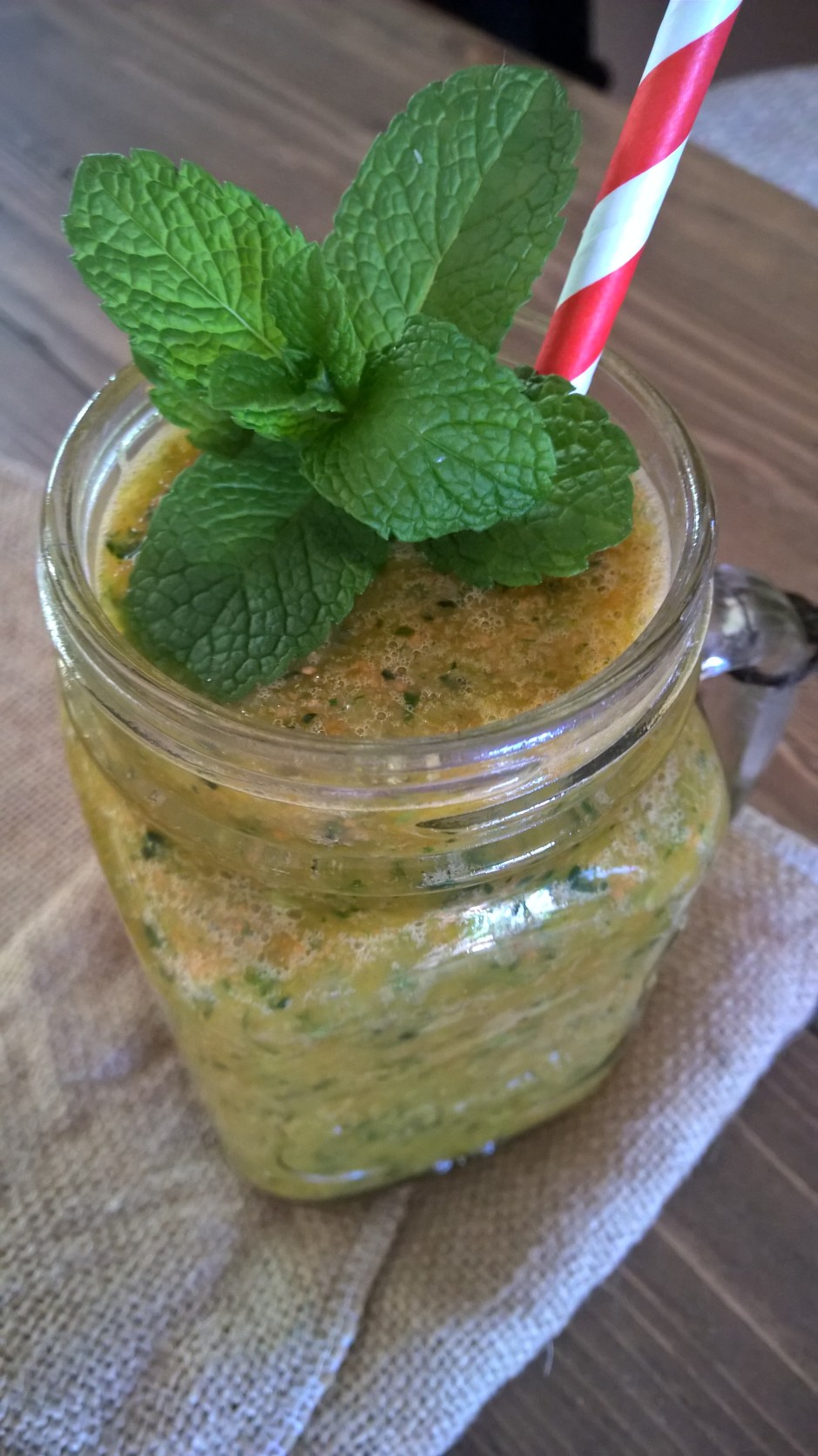
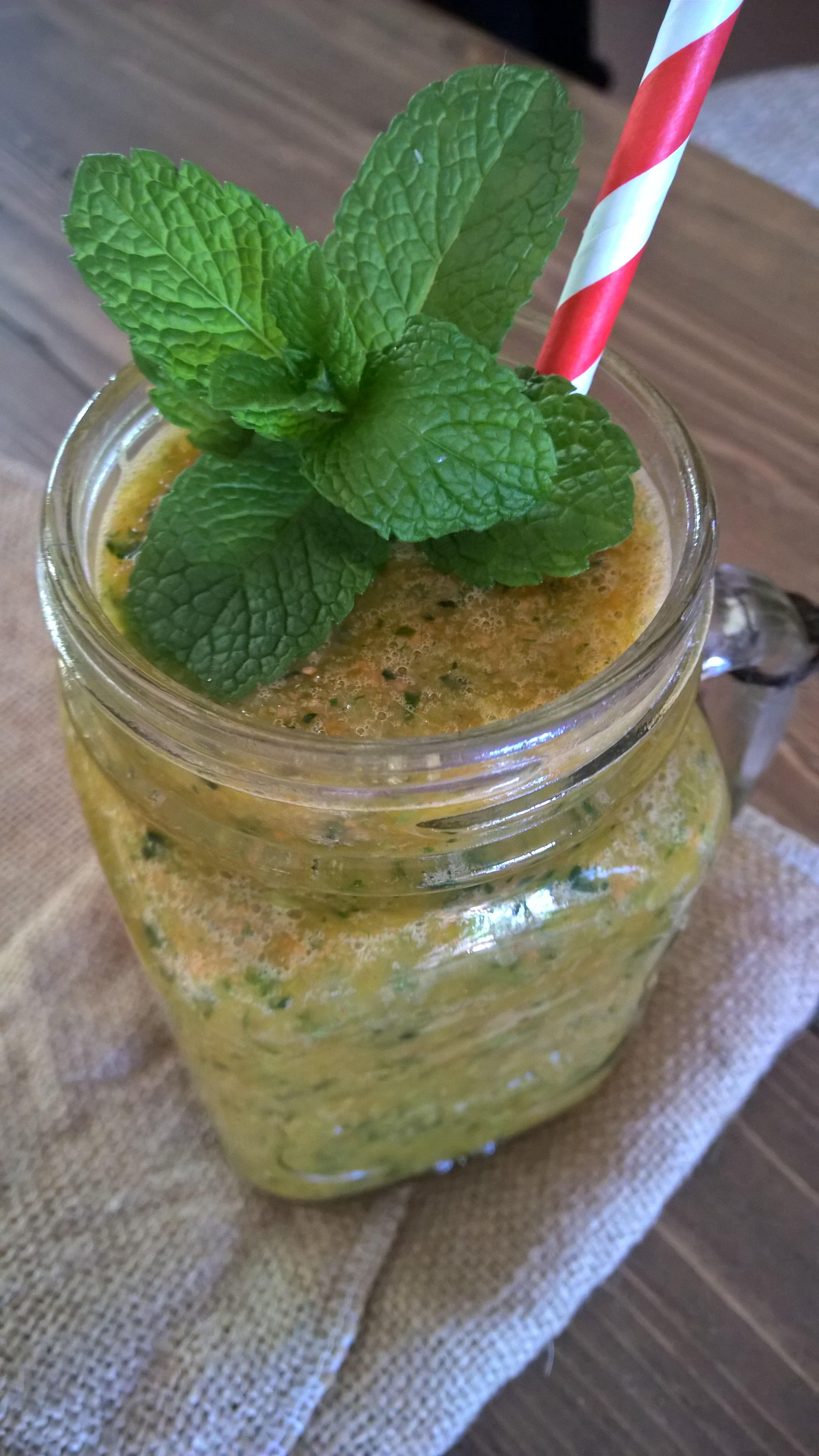
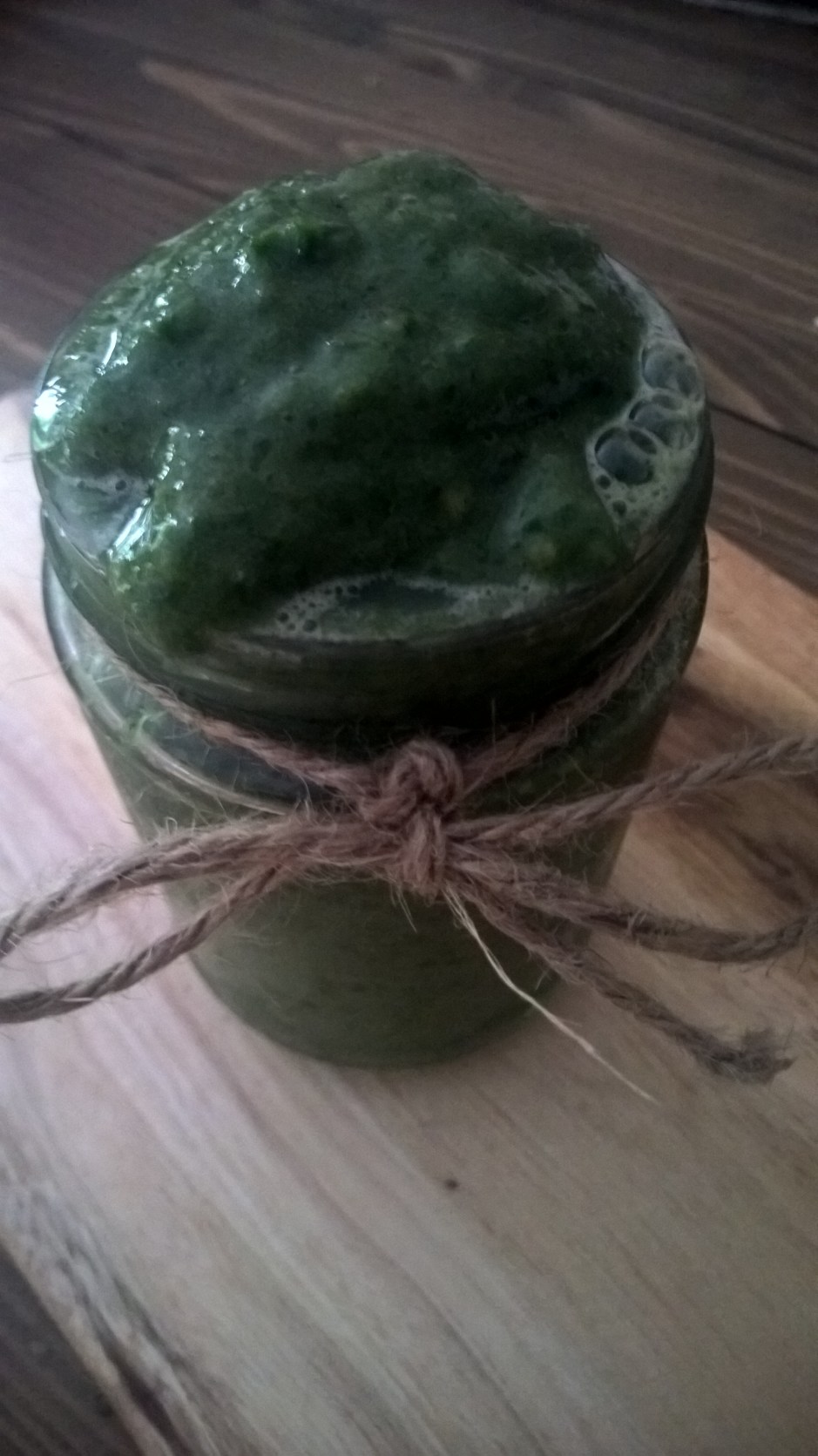
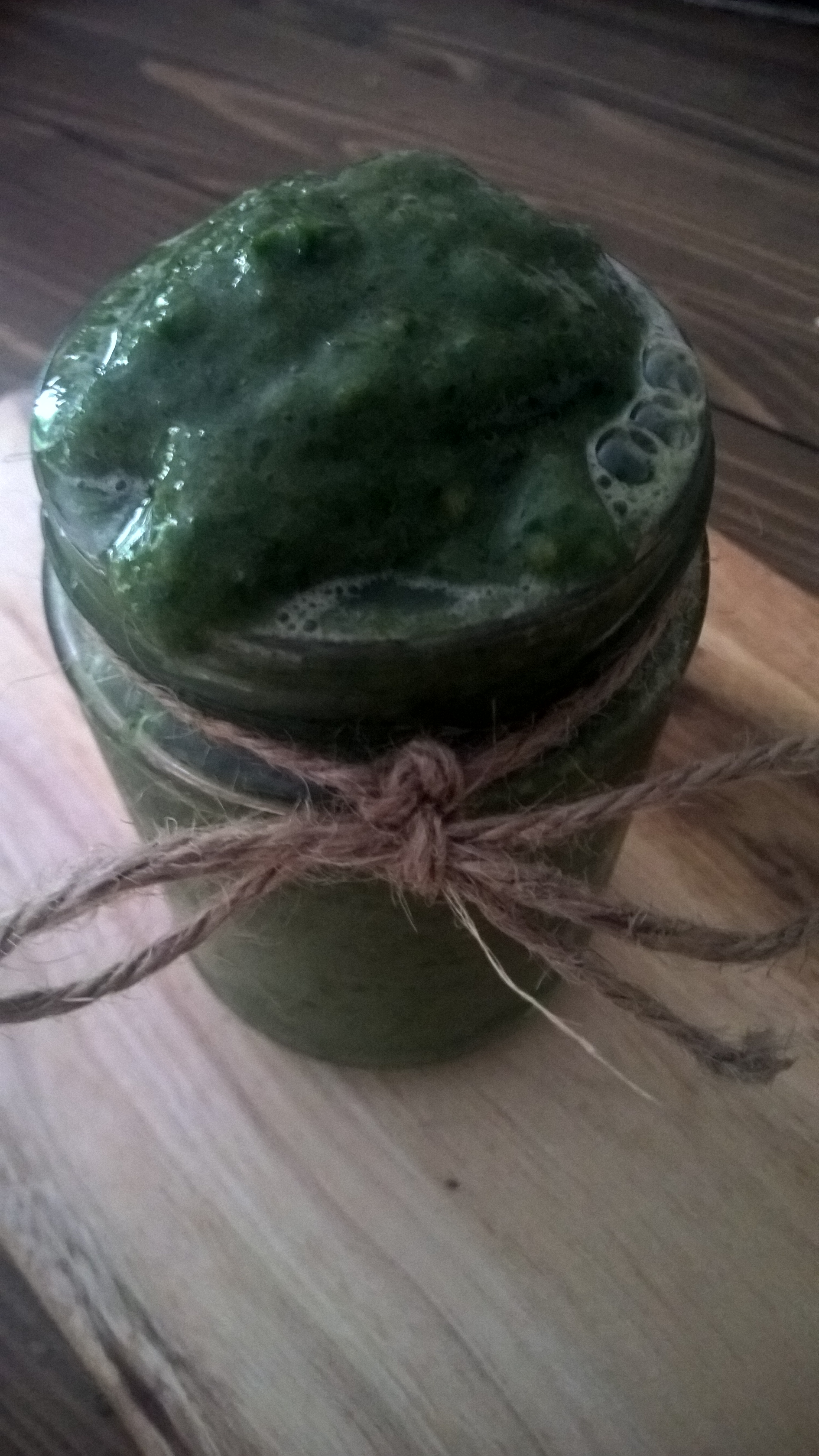
Antioxidant Cocktail with kale, mint, apple, orange, carrot, cucumber, turmeric, ginger, cayenne and chili
Spicy Detox Juice
Serves 1
1 small apple, cored and cubed 1/2 cup orange juice 1/2 cup filtered or coconut water a handful of ice cubes half a cucumber, chopped 1/2 cup grated carrot handfull of kale 1 tsp of barley grass or your favourite greens powder (optional) fresh mint a pinch each of turmeric, cayenne, chili and ginger
Blitz all ingredients in a high-powered blender and…
If you could eat gelato while taking in three serves of veg and two serves of fruit, does that sound to good to be true? Well, you’re in for a treat! With this beetroot acai smoothie bowl, you’re not only giving your body five serves of fruit and veg with bucketloads of vitamins, minerals, antioxidants and fibre but also high-quality protein as well as omega 3s! And as long as you have some grated beetroot and kale ready (I’d recommend to always keep a serve in your freezer!), it comes together so quickly and easily that you don’t even have to get up early!
As you might have guessed from the hint I dropped above, this beetroot acai smoothie bowl contains beetroot, but wait! I totally understand that not everyone is as crazy as me (or Aussies in general) about beetroot, but you should really give it a try! Besides beetroot’s nutritional benefits such as for your blood, kidneys and skin, it imparts a lovely purple colour to this smoothie. If you use a good-quality vegan protein powder, the earthy taste really shouldn’t be too pronounced. If you’re still skeptical, start with a small serve of beetroot and then work your way up. It’s a great addition to your morning routine and also a colourful change to the ubiquitous green smoothies. Or add a frozen banana – this will make your smoothie bowl even sweeter and creamier and bring this smoothie up to three serves of fruit instead of two!
While the Australian recommendation today is to consume five serves of veg and two serves of fruit and no longer 3+2, I think getting in 3 veg and 2-3 fruit in the AMs is still a great achievement. If you want to take it up a notch, feel free to add some more veg to this, such as zucchini which also adds some bulk without altering the flavour, or sweet potato (yes, you can have raw sweet potato!)
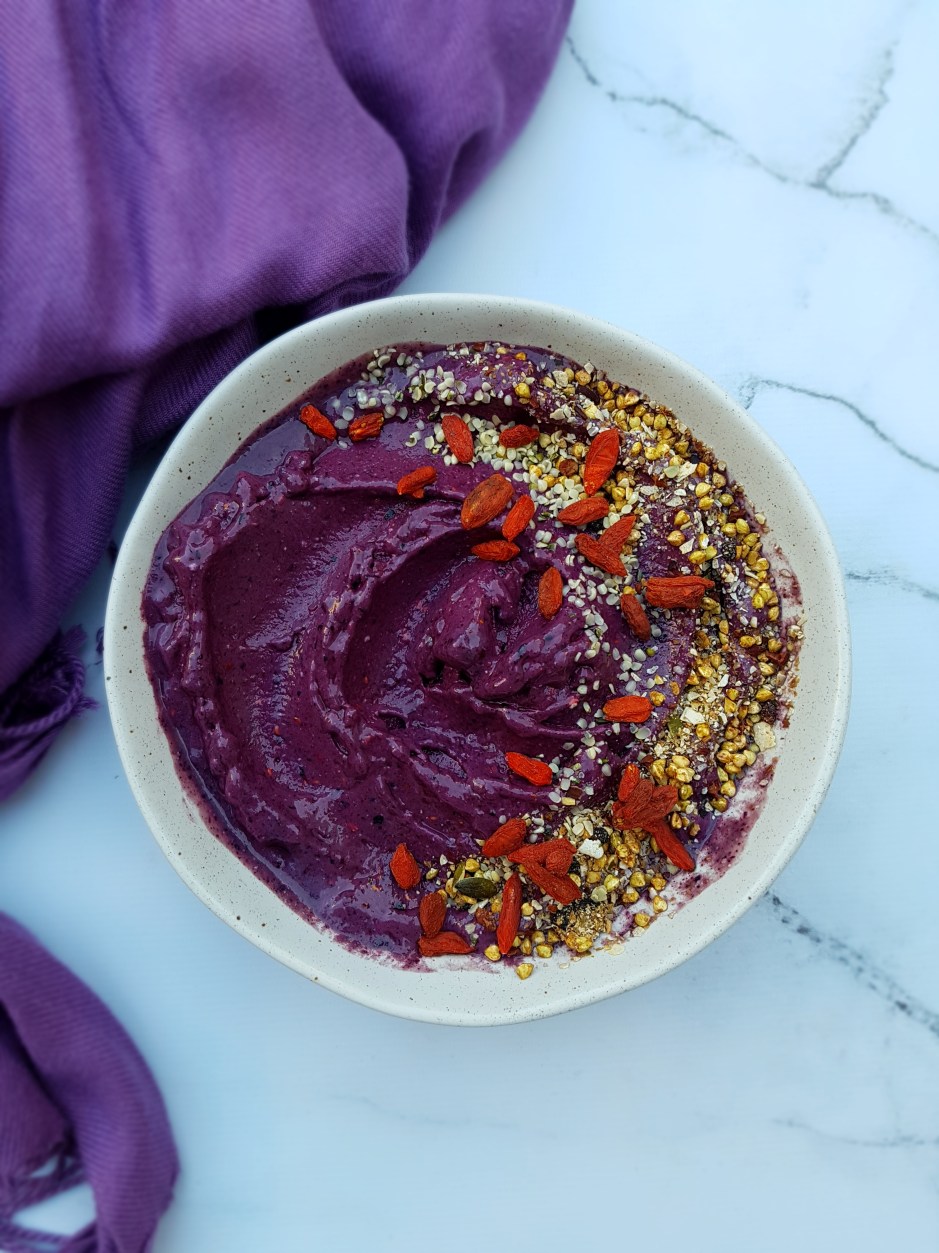
Beetroot Acai Smoothie Bowl
Beetroot Acai Smoothie Bowl
Serves one
1 cup plant milk 2 cups mixed berries raspberries a handfull of roughly shredded kale a handful of spinach half a cup handful of grated beetroot frozen banana (optional) (more carbs, but also more flavour and nutrition!) 1 tbsp dry acai powder 3 tbsp vegan vanilla protein powder
Toppings: chia seeds, hemp seeds, granola, goji berries, coconut flakes etc.
Blitz all ingredients bar the toppings in a high-powered blender, scoop into a bowl, top with your favourite toppings and…
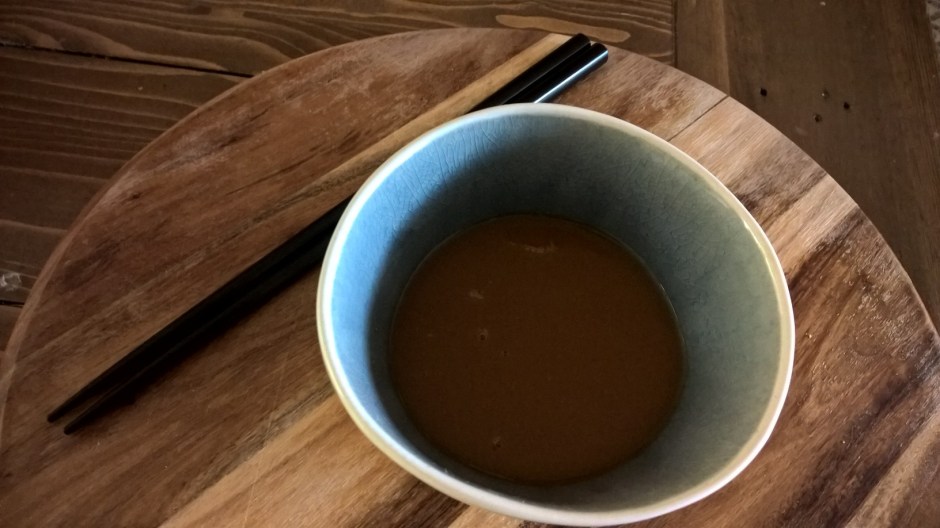
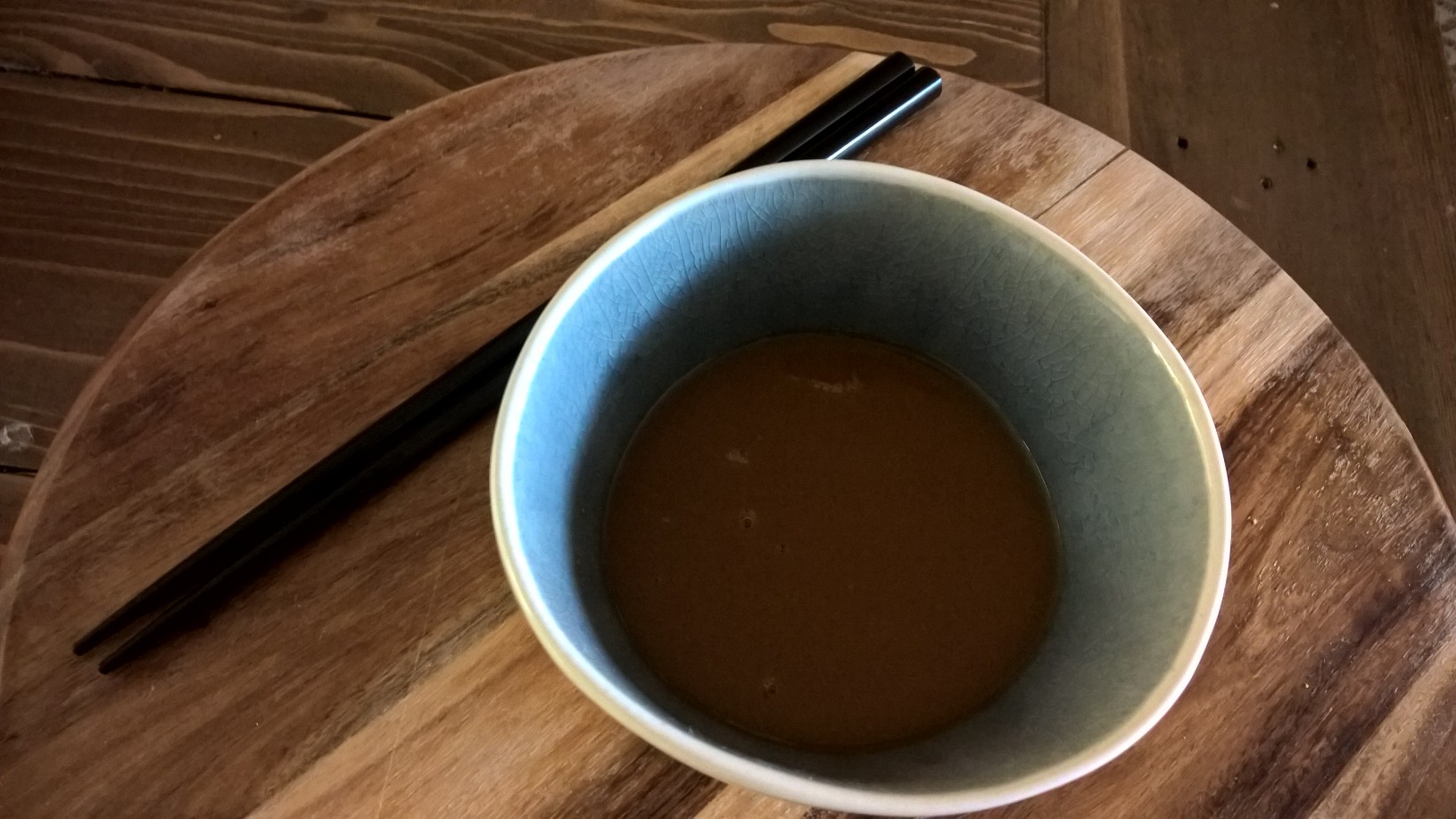
I got a sample for Japanese roasted sesame dressing at the recent Melbourne show. I love Japanese food, so this was right up my alley – until I discovered the ingredient list! This dressing consisted mainly of soybean oil, canola oil and “vegetable” oil – the worst types of oil you can consume – and barely had any real sesame in it. Plus, with soy sauce and egg yolks it was not exactly gluten free or vegan friendly, and don’t even get me started on the MSG! I knew I had to come up with a rock-solid alternative and figured there must be a way to create a healthy, gluten free and vegan alternative that in terms of taste, doesn’t need to hide behind the store-bought version – my healthy Asian sesame dressing.
What I came up with is an absolutely kick-ace dressing with just six ingredients. I doesn’t even take five minutes of your time to throw together. Due to the fragrant toasted sesame oil, a little goes a long way, so you don’t need to blow your calorie budget. Gluten-free tamari replaces soy sauce. Natural maple syrup stands in for of sugar. Organic almond milk works to achieve a creamy texture. Apple cider vinegar for added digestive benefits and last not least just a tiny amount of mustard – there goes your roasted sesame dressing! This dressing works with any Asian-inspired dish but also as a dipping sauce for crudités or ricepaper rolls!
Healthy Asian Sesame Dressing {gf, vg}
Healthy Toasted Sesame Dressing with just six ingredients and no nasties
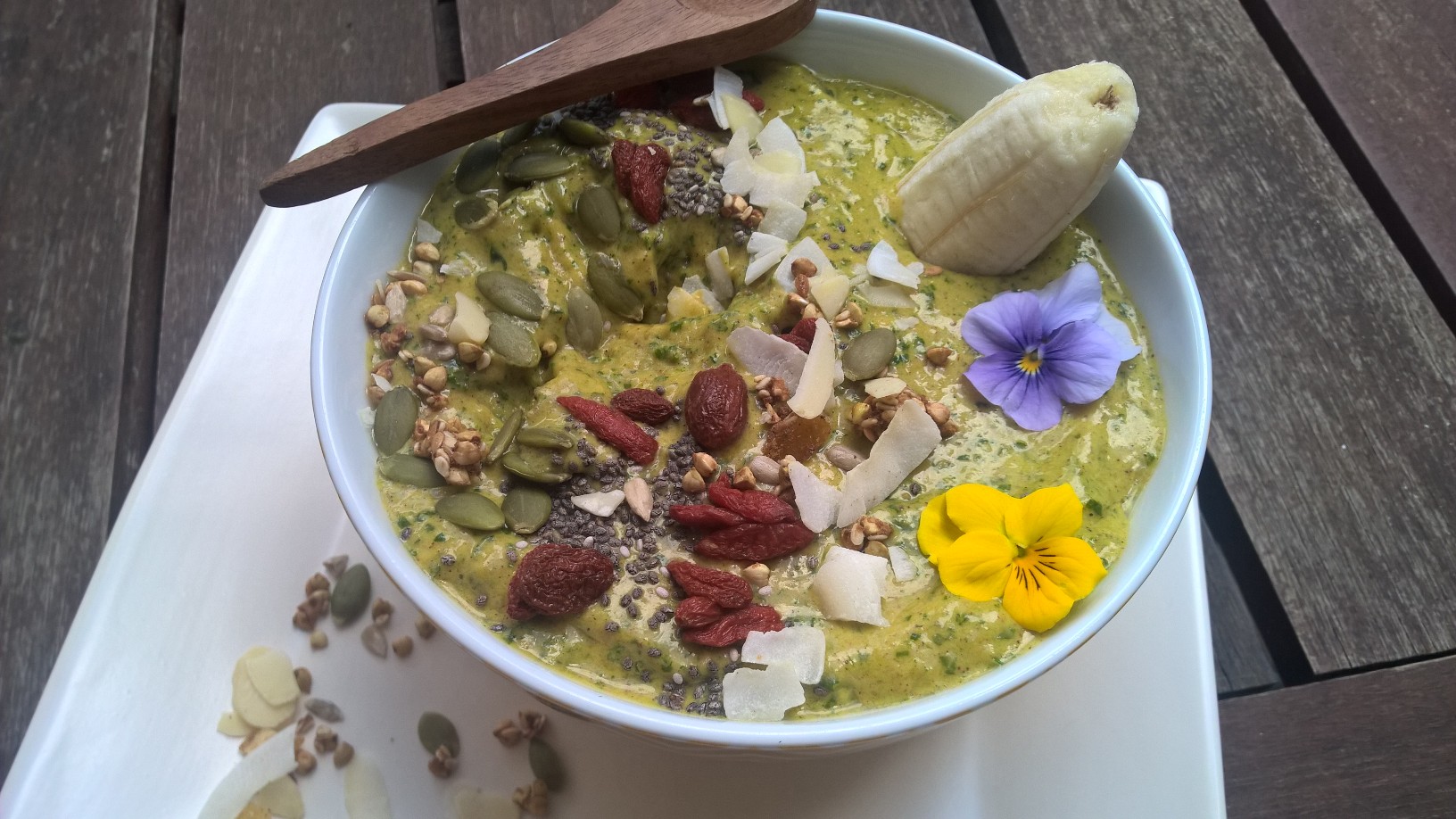
Sundays are for smoothie bowls (actually, every day of the week is), and with “golden milks” featuring turmeric and other delicious spices being all the rage right now, it was only a matter of course for me to create a golden smoothie bowl! A golden mango and turmeric smoothie bowl, to be precise. Turmeric, cinnamon, cardamom, ginger and cayenne fire up your digestion in the morning (or make for a great pick-me-up in the afternoon), while kale, banana, and mango provide fibre and micronutrients and the vegan protein powder makes sure you last until lunch!
This smoothie bowl is not only pretty to look at, it is also insanely creamy and delicious, very filling and warms you from the inside out. No need to pick up a sugary chai latte from your local Star****s! I always keep a stash of frozen mango, banana, and kale in my freezer, which means that it takes less than a minute to throw everything together! And if you don’t post it on instagram you don’t even need to decorate it! The toppings are completely optional, but apart from completing the look, I find they always add a nice crunch and textural variation to the smoothie bowl – not to mention that they also provide you with extra nutrients!
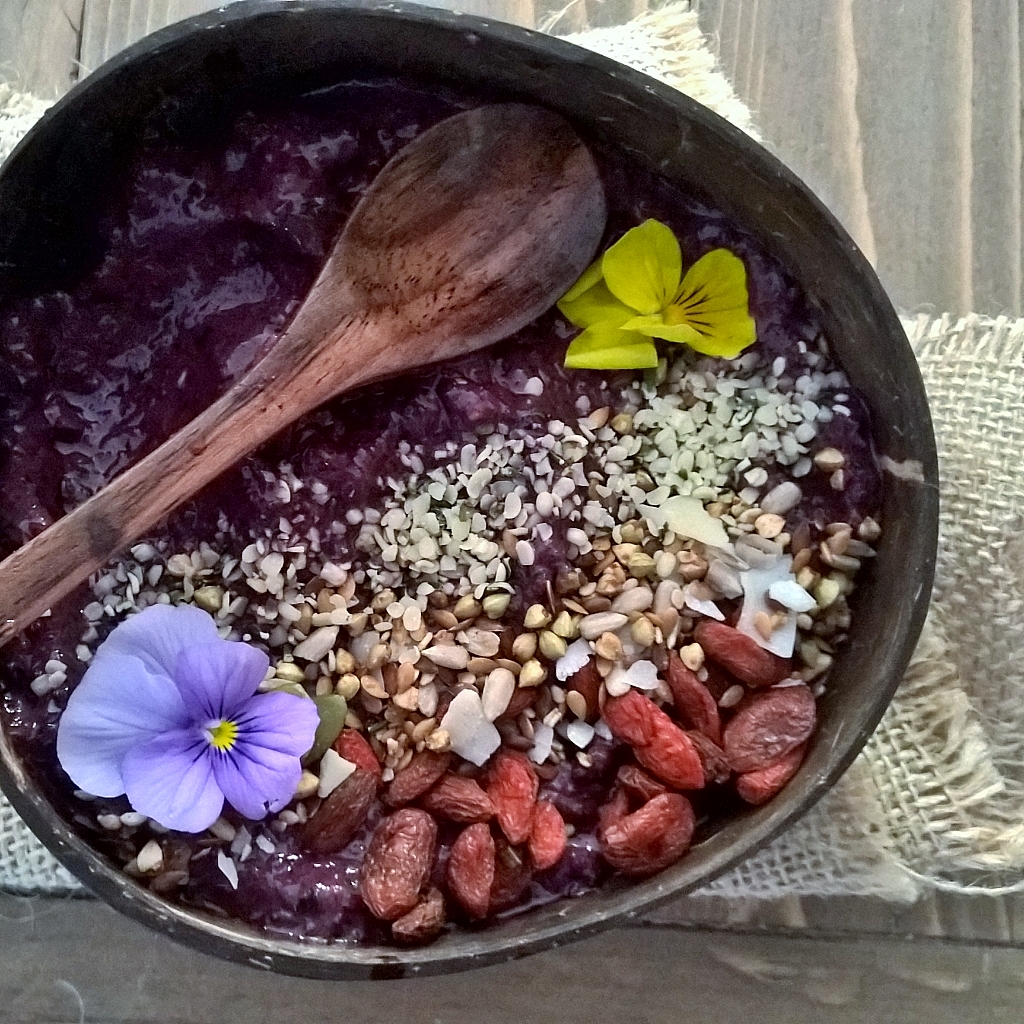
Golden Mango Turmeric Smoothie Bowl
Golden Mango and Turmeric Smoothie Bowl
1 large smoothie bowl
1 cup plant milk 30 g vanilla-flavoured vegan protein powder frozen banana 1 cup frozen mango a handfull of kale 1 tbsp psyllium, LSA or flaxmeal 1/2 tsp turmeric 1/2 tsp cinnamon pinch cardamom 1/4 tsp ginger pinch of cayenne
toppings (optional) such as goji berries, nuts, seeds, granola, fresh or dried fruit, chia…
Blitz everything bar the toppings in a high-powered blender, transfer to a cute bowl and top with your favourite toppings.
I’ve always liked Asian cuisines for their explosion of flavours, but since transitioning to a largely plant-based diet, I really appreciate curries, stir-fries, and Asian-style soups! The variety of fresh herbs, spices and vegetables in combination with rice or noodles and potentially some tofu or tempeh (if you tolerate soy) or quorn (if not strictly vegan) ensures maximum satisfaction sans meat and is a great option for when herbivores and omnivores get together as it will please to all tastebuds. Enter my healthy Asian broth.
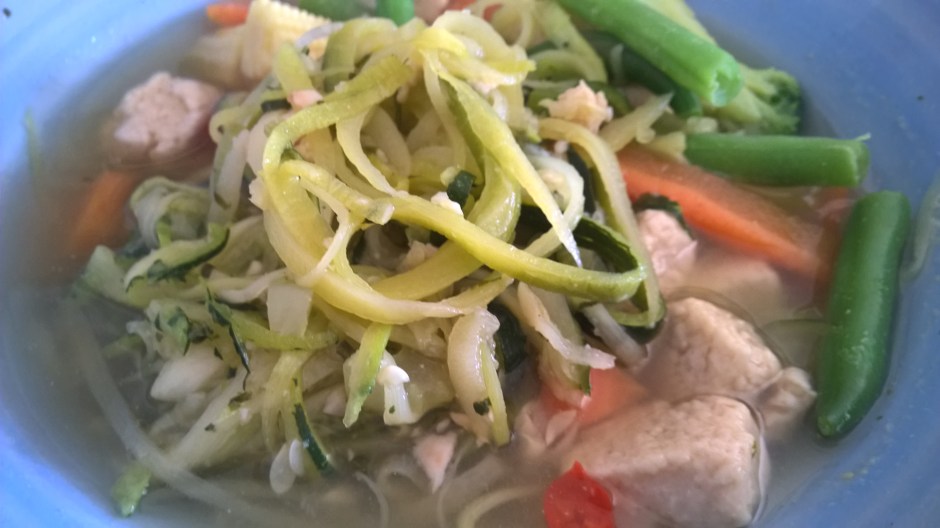
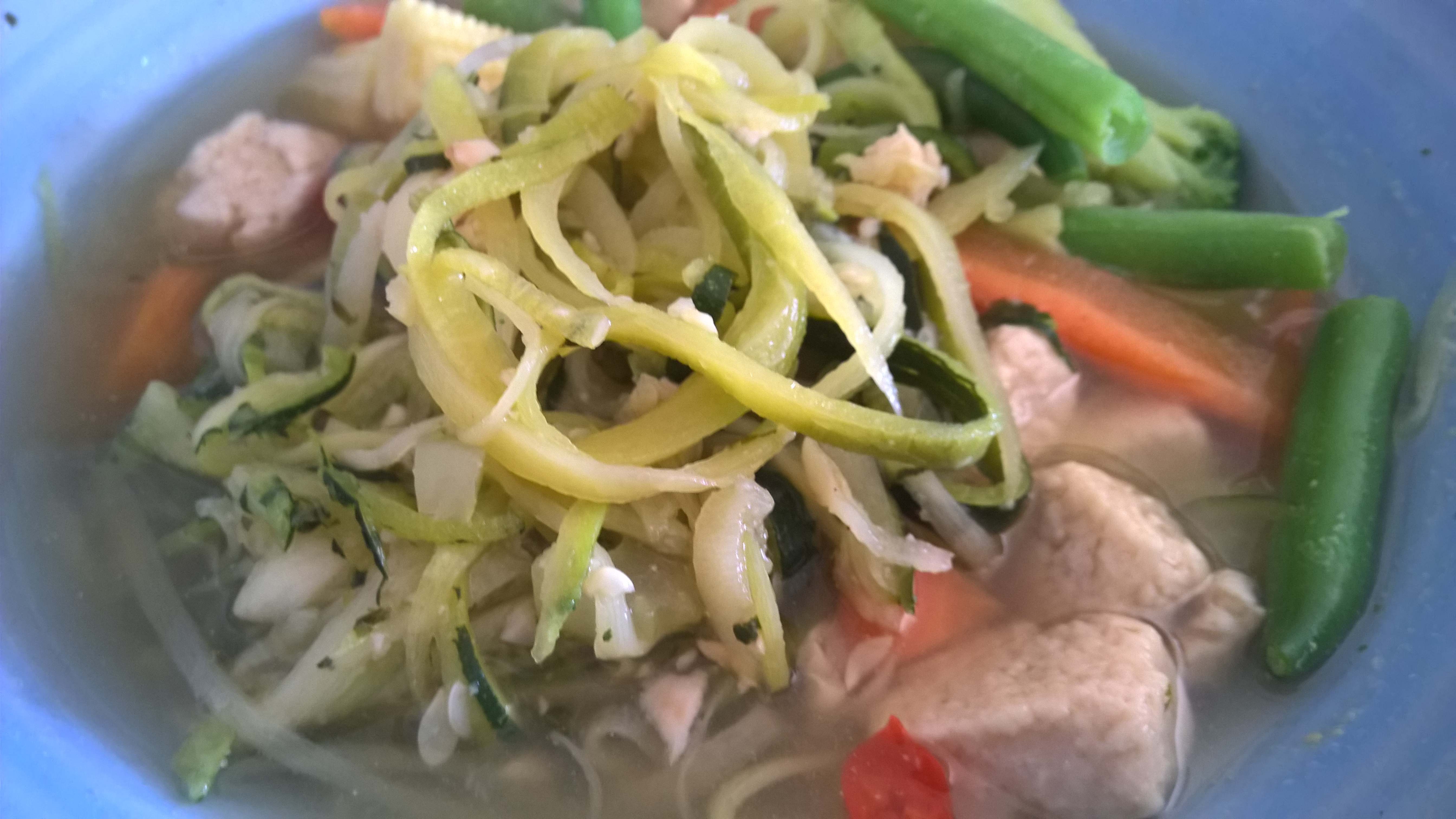
This is my express version of a Vietnamese pho as it were. Of course, this is not a traditional pho, but it’s the quickest and easiest and -dare I say, healthiest- pho you’ll ever make. You can also just call it a broth. Depending on size and add-ons, this could be a quick lunch, afternoon pick-me-up, small starter or a bigger, comforting meal. For this particular version, I used “zoodles” (spiralized zucchini) to ramp up the veggie content and save my carbs for something else. But if you crave carbs, you could easily use rice or soba noodles. When it comes to the protein, I used quorn, but depending on your preferences and dietary requirements, you can of course use tofu, tempeh, chicken, beef, seafood or simply add more of your favourite vegetables. When it comes to cooking, recipes are generally just a matrix – you can mix and match!
Healthy Asian Broth
Serves 2-4
oil for frying (can use water, tamari or stock instead if oil-free) 2 garlic cloves, minced 1 inch piece ginger, grated (can be omitted) 1 l organic vegetable stock 400 g vegetables of choice 2 celery stalks, chopped 200-400 g protein of choice, cooked, prepared and cubed (quorn, tofu, tempeh, meat, fish….) dash of lemon juice zoodles/rice noodles/soba to taste, prepared fresh chili, to serve fresh coriander, to serve
Heat the oil, if using, in a nonstick frying pan, and add the garlic and ginger if using. Turn the heat down and fry spices until soft and aromatic. Add stock, bring to a simmer, then add vegetables and zoodles/noodles. Simmer for a few minutes, then add your prepared protein. Finish with lemon juice and serve with chilli and coriander.
Anyone who has ever lived in Melbourne or has spent some time in this city knows that the weather here is pretty -ahem- moody, to say the least. Temperature differences of up to 20 degrees from one day to the next are not a rarity! Needless to say your immunity gets quite a good workout all year round which is why it is extra important to get those greens in!
I love smoothies and shakes as they are so filling and satisfying without clogging your stomach and you can put all the goodness you want in them in just a couple of minutes flat! They are my go-to breakfast if I don’t have time to prepare porridge or just crave something light before a workout. Smoothies also work great as an afternoon pick-me-up and I tend to put my supplements such as probiotics and maca powder in them. And because their texture is so creamy and luscious I always have the feeling I’m devouring a naughty icecream when I am actually consuming concentrated goodness!
I usually make a shake/smoothie (bowl) every day and experiment with different flavour combinations. I love this one as it is sooo good for you yet tastes really sweet and creamy thanks to banana and mango! It is also completely vegan while giving the impression you are having a milkshake. You can add some vegan protein powder to ramp up the protein. I happened to have a lot of kale and spinach from my vegetable box delivery so to prevent them from going bad, I actually washed and chopped the kale and spinach and froze them in individual portions in ziploc bags! This way, I always have some frozen greens as a “smoothie kit”. You can of course use fresh kale/spinach. The same goes for bananas. I think everyone should have frozen chopped bananas in the freezer at any given time but if you only happen to have fresh bananas like I did at the time, it’s completely fine to use a fresh banana and some icecubes.
Tropical Superfood Shake
Immune-boosting supershake
Makes 1 generous portion
2 cups “liquid” (I used half water and half orange juice, but coconut water, your favourite juice or your plant milk of choice would all be great options) 1 large ripe banana, frozen and chopped, or fresh plus a handfull of icecubes 1 cup frozen mango 1-2 handfulls kale and/or spinach, frozen or fresh green powder, maca, probiotic powder etc. (optional)
Blend all ingredients in a high powered blender until smooth (it might take a couple of rounds of blending).
Note: This is an updated – veganised – version of a vegan clafoutis to my previous recipe for paleo clafoutis! I hope you enjoy it!
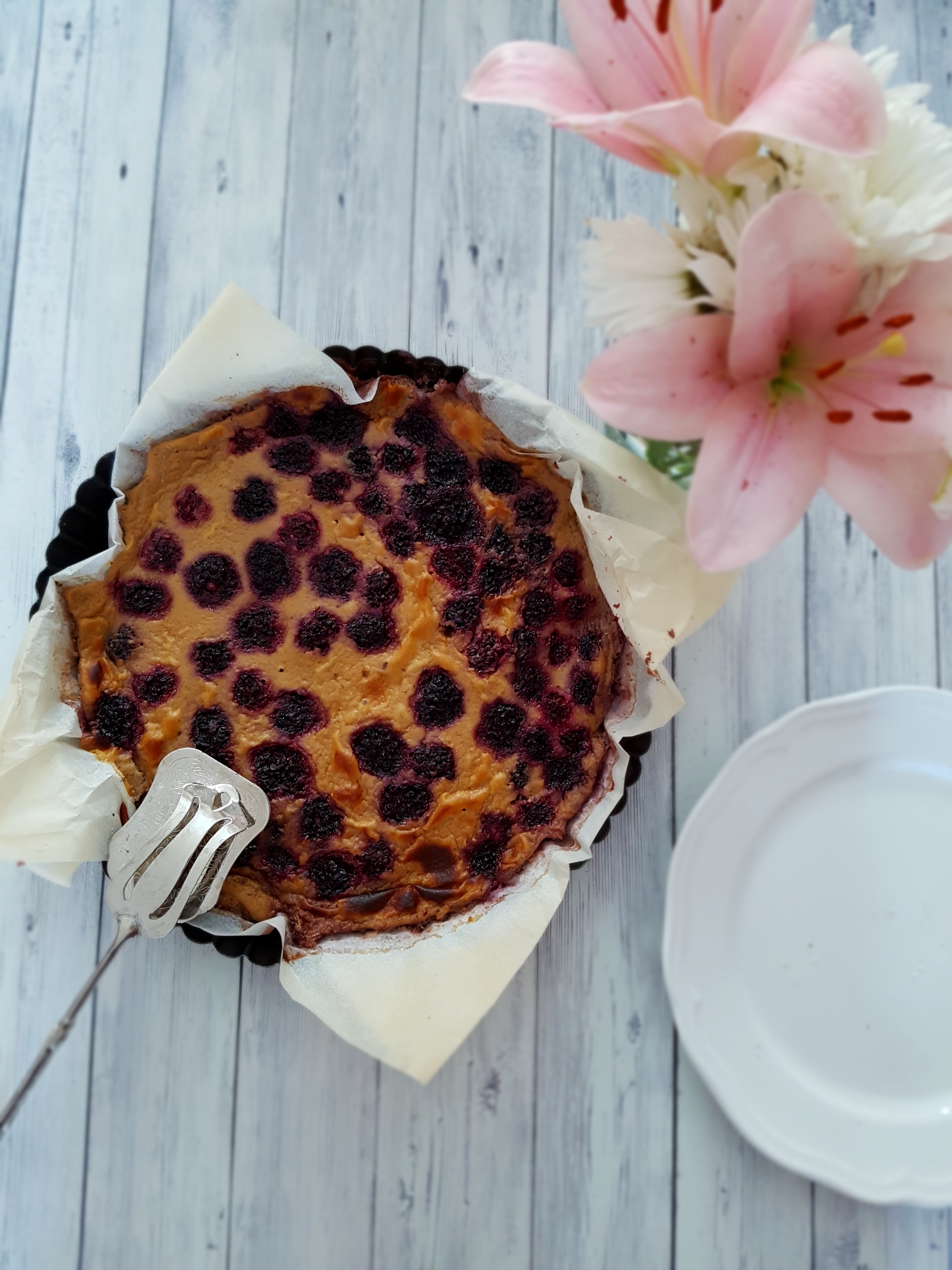
It seems I have a thing for French desserts at the moment – or rather, my take on them. While I love the timeless finesse that French desserts exude, a little makeover never goes astray, especially if it’s as delicious as this one! My previous paleo version of clafoutis already hit the spot, but when I embarked on a vegan diet, I knew I had to make this a vegan clafoutis as well. And I have to say, the result was pretty successful! So here is my vegan clafoutis. I use aquafaba (chickpea brine) instead of eggs (more about aquafaba here), so technically this is not paleo anymore. However, there is absolutely no nasties in here, no wheat, dairy, soy, refined sugar or oils, and also no eggs. I hope you enjoy this truly cruelty-free but no less delicious version of clafoutis.
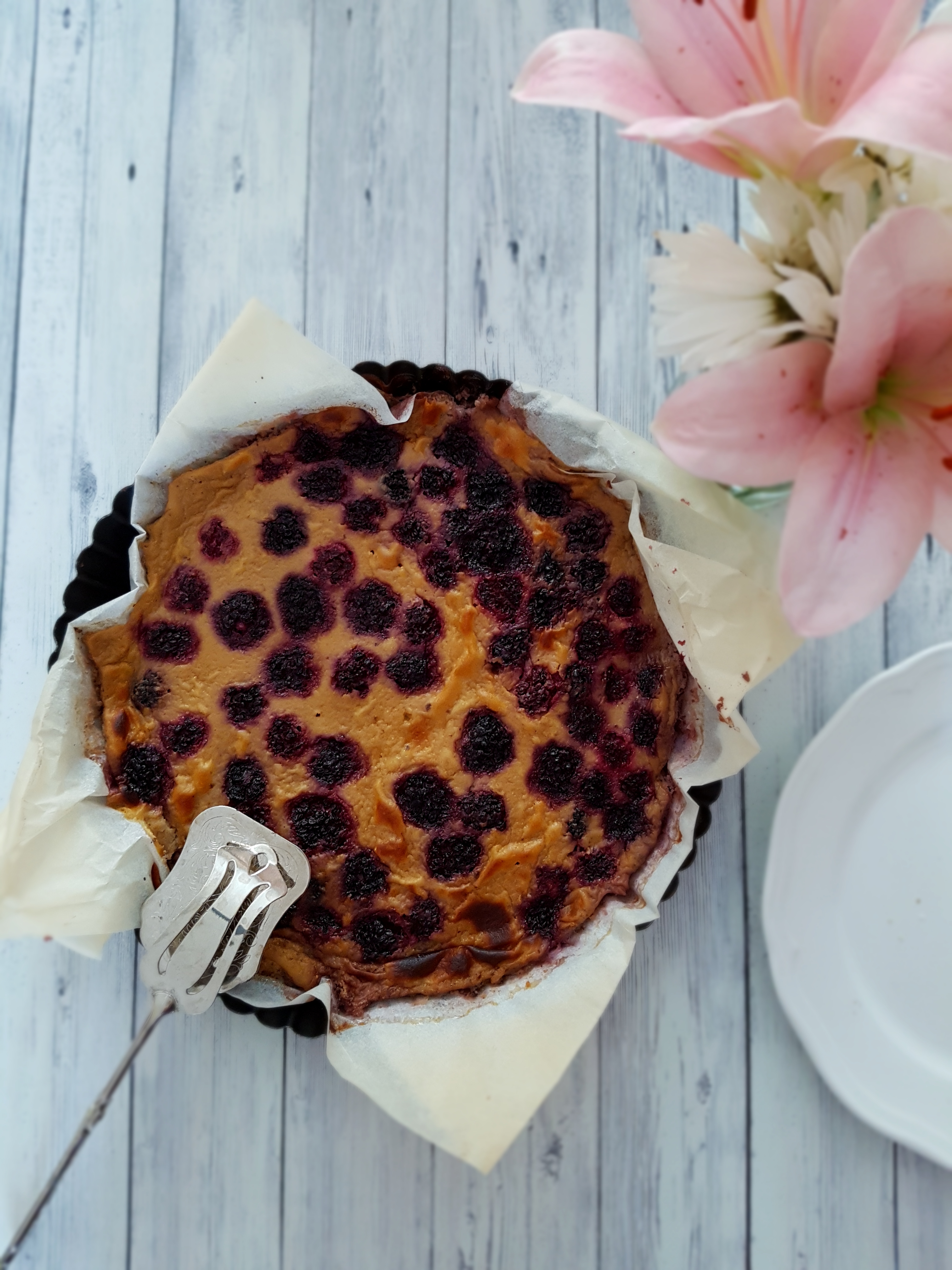
Vegan Clafoutis
The thought about making clafoutis has been at the back of my mind for a while – actually, ever since I saw a recipe for cherry clafoutis in my French text book at high school. (Which, sadly, is a long time ago now. Very long.) Ever since then, clafoutis recipes have been popping up in magazines. and, naturellement, on the internet. This recipe is my own little invention. There is low-carb, fibre-rich coconut flour instead of conventional flours and starches, coconut sugar and maple syrup instead of sugar, plant mylk instead of milk, and no fat, oil or butter (I did grease the mould but dare I say that the amount of fat used is rather negligible).
I like my clafoutis so much that I will never go back to any other recipe. It is also very versatile – you can use any fruit, any milk and any sweetener you like. This little delight is as good as impressive dessert to impress guests as it is as for afternoon tea or even a satisfying breakfast – all this knowing that you are devouring a treat that is not going to blow your calorie budget (something you can’t say about French desserts), and that is a winner on the health front. Plus, it looks pretty.
Vegan Clafoutis
Vegan Clafoutis
Serves 8
4 tbsp coconut flour 4 tbsp LSA or ground chia seeds 4 tbsp coconut sugar
4 tbsp maple syrup healthy pinch of Maldon sea salt aquafaba from one 425g tin of chickpeas (approx. 3/4 cup) 2 cups plant milk (I used cashew) fruit of choice (approx. 1-2 cups, red fruit are a great option)
Preheat oven to 180 °C and prepare a tart pan by lining it. Mix coconut flour, LSA, sugar, syrup, salt in a bowl. Make a well in the centre and carefully fold in the aquafaba until mixed in. Beat in milk until you reach a homogenic consistency. Divide fruit between the four dishes and spread batter over the fruit. Bake for about 60 minutes or until lightly golden on top. Let cool completely and preferably store in the fridge before serving to firm up.
The idea of making a vegan “Bolognese” with legumes has been at the back of my mind for some time, and while the concept is not exactly new, I think I have come up with quite a cracker vegan lentil bolognese recipe which will convince even the most ardent meat lover! At the point of making this, I had run out of diced tomatoes in my pantry (yes, it happens). I had neither the time nor the inclination to run out to the shops and get some so I used the last bit of Maggie Beer tomato sauce we had in the fridge.
The result was divine, which is the best proof that you don’t need a tin of tomatoes or a jar of marinara sauce if you make bolognese (you’ll be hard-pressed to find a recipe for bolognese on the net, vegetarian or not, which doesn’t include a tin of tomatoes or a jar of marinara sauce).
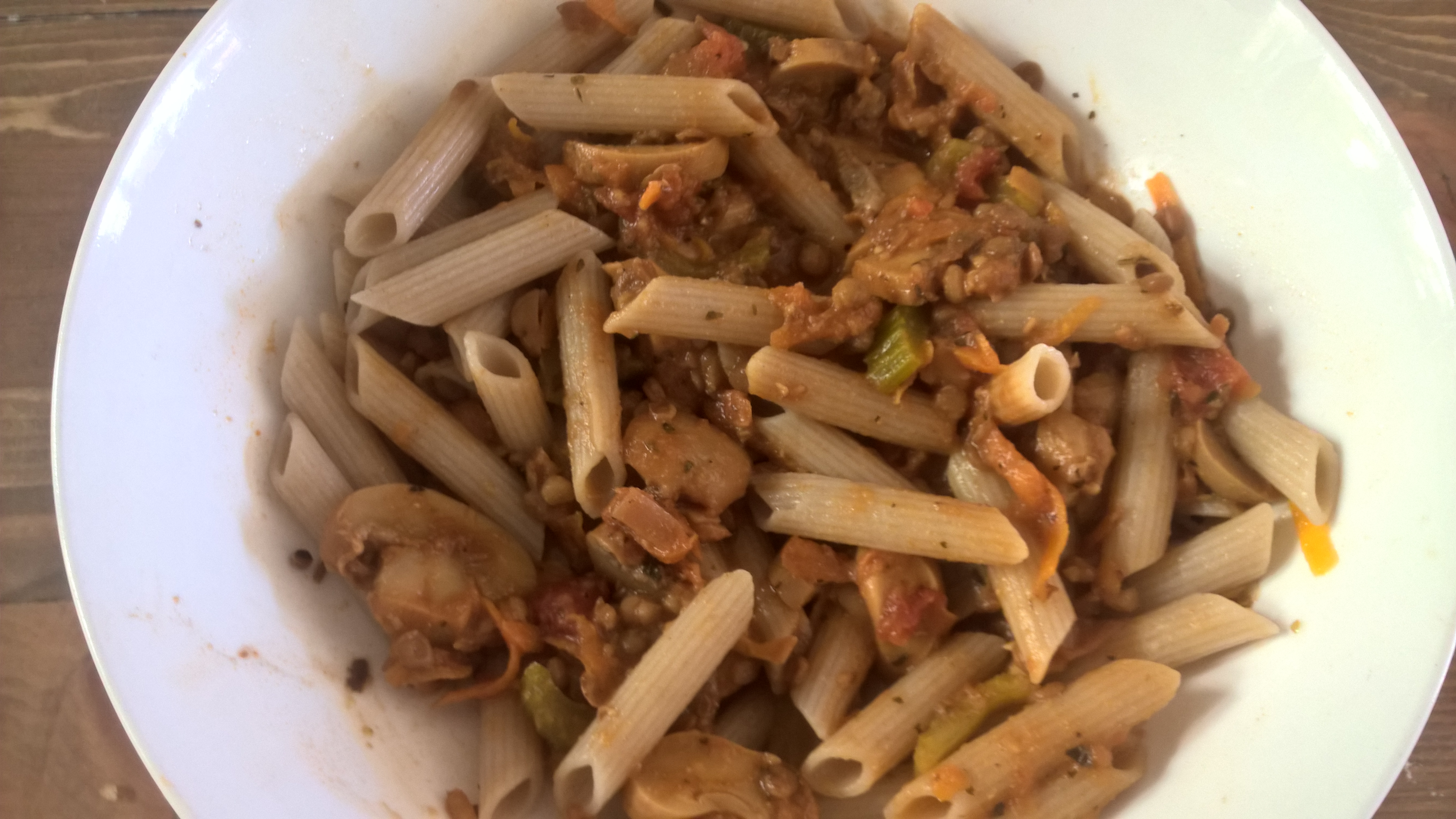
Back to the vegan bolognese – you won’t miss anything in here. My husband, an avid meat eater, loved it and simply couldn’t believe there was no meat in it. This is comfort food at its best, and at the same time full of goodies while being very low in fat. Your vegan/vegetarian and omnivore friends will be raving alike. Serve it with gluten free pasta like I did (photo) or “voodles” (spiralised vegetables) and it’s gluten free as well. So what inspired me to make a lentil bolognese?
While mushrooms or quorn mince would be an obvious choice, there had to be a more cost-effective solution. I love the effect legumes have on my blood sugar and satiety levels – I don’t so much love their effect on my gut. However, I found the “smaller” the legume the more easily digested, hence lentils are usually my legume of choice. (They taste friggin’ delicious too.) I love kidney beans and chickpeas, but if I have too much of them, they just about kill me (or rather, my bowels). Of course I know the spiel about soaking and phytic acid and blabla, but I couldn’t find a huge difference between soaking dry lentils and just rinsing organic tinned ones very well, and if in doubt, I always opt for the easier and quicker option but it is of course up to you if and how you prepare your lentils.
With all this being said, you would assume that lentils are the hero of this dish, but they are actually not…it’s celery! What the…? Well, I have to admit I’ve never liked celery all that much, especially in its raw version. In fact, celery is probably the only vegetable I couldn’t eat raw to save myself (something I inherited from my mum). So while I have recently found a new organic box delivery service which I really like, their inclusion of celery in the last box was a bit of a letdown for me at first. But an unknown vegetable for the amateur chef is like a new country to the devoted adventurer, so I knew I had to experiment. My internet search about the uses of celery only yielded raw salad recipes – three strikes, I was out. Had to do it without the help of Uncle Google.
Soups and stocks usually contain traces of celery. I figured if I just cooked it long enough, maybe it would act a bit like vegetable stock without imposing the (imho yucky) raw flavour of celery. Bingo! This bolognese tasted so rich and just had this certain “je ne sais quoi”, and since I don’t cook with onions, I knew it had to be the celery which lended this dish “a depth of flavour”, according to my hubby.
So I’ll be sure to include celery more often in my creations. You never stop learning, do you?
Vegan Lentil Bolognese
Vegan Lentil Bolognese
2 generous portions
1 garlic clove, minced 2 carrots, grated or finely sliced 2 celery stalks, very finely sliced 1 tin organic brown lentils, drained and rinsed very well (or sub other legumes) a dash of tomato sauce or tomato paste or diced tomatoes (amount depends on your preferences) 250-350 ml good vegetable stock basil, oregano, salt, pepper and any other herbs and spices of choice other vegetables of choice (optional) (mushrooms are a great choice) nutritional yeast (optional)
Make sure to have all the ingredients readily prepared. You don’t want your garlic to burn while you are still slicing the celery! Heat the oil in a large saucepan, add the garlic and fry for a few minutes until soft. Add carrots, celery and lentils and heat through for another few minutes, than add the tomatoes and stock, bring to the boil and simmer until the desired consistency is reached. Adjust the amount of stock according to your preferences. Stir in the nutritional yeast for a lovely cheesy flavour. Season to taste and serve with gluten free pasta or voodles. (I’ve got no idea how long this stuff lasts and if it tastes better the next day – we finished it in one sitting!)
There’s something about curries on a Friday night, isn’t it? I know so many folks – us included – for who Friday night means snuggling up on the couch with a favourite Thai or Indian takeout and a good bottle of wine. It is as if all the stress of the week just disappears with a bowl of steaming, fragrant curry. So warm, comforting and satisfying! I have to admit, I love our local Thai (and judging from the Menulog reviews, I’m not the only one), but I also love to know what’s in my food and while takeaway-wise you can certainly do worse than Asian, it doesn’t hurt to make your own version of it once in a while – which is also more cost-effective.
While this recipe is by no means traditional and doesn’t claim to be, it is nonetheless yummy, filling, and very easy, quick and cost-effective to prepare. I don’t know about you, but that’s big ticks in my book! In any case, it is prepared more quickly than the arrival time of the average takeaway so if you are like us and starving on a Friday night, here we go! Granted, you don’t get a free can of soda like you get with our Thai, but maybe it’s better that way (it goes much better with a glass of good red, preferably organic, of course). Plus, you can rest assured that there’s no nasties in there, and that it will please herbivores and omnivores alike. It is low carb if you serve it with my new discovery that is cauliflower rice, and it is also very low in fat if you use almond or other plant milk instead of coconut milk. Needless to say, it is gluten free like anything on this blog, and it is also vegan (although you can use meat or fish instead of the tempeh).
Which leads me to the next topic – yes, tempeh is soy. Yes, this blog is meant to be soy free and I generally advise to stay away from soy. BUT – tempeh is actually fermented soy, which along with miso and natto is soy as it is meant to be (and how Asians consume it). The fermentation improves the digestibility of soy and according to a study the bioavailability of calcium in tempeh is higher than in cow’s milk! So how about telling that a dairy-proponent when they ask “But where do you get your calcium from?” While popular soy products such as tofu and soy milk give me terrible digestive distress, I never have any issues with the underrated tempeh, so I would recommend trying it if you usually have problems with soy. I just love that it is so versatile. Just pan-fry it for a few minutes and it is ready to go. Due to its neutral flavour, it absorbs other flavours easily, meaning you can marinate it in your favourite sauce, and it is a great filler for soups, salads and sandwiches to bulk up the protein.
Now, given that I’m a health nut, I am admittedly quite late to jump on the cauliflower rice bandwagon. But after trying this recipe, I am hooked! I’d highly recommend trying for yourself. The best thing for me – almost better than the calorie saving and the health benefits – is that cauliflower rice is quicker to prepare than traditional rice! And while we’re at it, did you know you can use cauliflower to make cauliflower mash to replace potato mash? Have you tried roasting the florets and having them as a much healthier, tastier and more easily digested snack alternative to nuts? You can try roasted cauliflower as a delish addition to your favourite salad, and if you are into creamy pasta sauces, there is this absolutely cracking recipe for a vegan paleo alfredo sauce that doesn’t call for cream, coconut, bucket loads of cashews or silken tofu, simply by achieving a creamy “alfredo” style sauce with cauliflower, plant milk and nutritional yeast! I used verjuice instead of the wine and added some mushrooms – yum! So the question is – what CAN’T you do with cauliflower? (It doesn’t drive you to work, I suppose)
Please don’t get me wrong – this is not a crusade against carbs! I don’t advocate a very low carb diet, and you can do this recipe great justice by adding your usual rice. But one cup of cauliflower provides 90% of your daily vitamin C, along with vitamin K, thiamin, riboflavin, niacin, magnesium, phosphorus, fiber, vitamin B6, folate, pantothenic acid, potassium, and manganese. Not shabby! Especially now in the shoulder season where an extra dose of vitamins and minerals never goes astray. Add to that a heap of fresh vegetables, anti-inflammatory and antioxidant spices and antiviral coconut oil, and you know why this curry makes you feel so good!
Serves 4-6
1 tbsp coconut oil 1 onion, finely chopped (leave out for low FODMAP) 1 tbsp minced garlic (great against candida, but leave out for low FODMAP) half a tbsp turmeric half a tbsp chili powder half a tbsp curry powder (feel free to add any other spices you like – this is what I had in the cupboard and it goes a long way) 2 400 g tins diced tomatoes, not drained 250 ml vegetable stock 100 ml plant milk of choice half a head of cauliflower, chopped into small florets (you can use the other half of the cauliflower for your rice) 500 g vegetables of choice (broccoli, green beans, peas, carrots, capsicum…), all cut into 1 inch pieces 300 g tempeh, cut into half inch pieces
Melt the oil in a large heavy-bottom saucepan, add the onions and garlic if using as well as the spices and fry for a few minutes until the onion and garlic are soft and the spices are fragrant. Add more oil or water if necessary. Add the diced tomatoes and stock, bring to the boil, then turn the heat down and stir in the milk once it has cooled slightly. Throw in all the veggies and simmer until the veggies are cooked to your liking. Double check the sauce and correct the spices if necessary – add more if too bland or tone it down with some milk if too spicy.
Meanwhile, prepare your rice and the tempeh. Marinate the tempeh in your favourite sauce such as tamari, then pan-fry (no oil needed) from all sides until golden brown, about 4-5 minutes. Serve the curry with your choice of rice (I recommend cauliflower rice!) and add the tempeh on top or mix it all in. Tatses great straight away and even better the next day!
Who doesn’t love a Twix bar? The combination of a crumbly biscuit, gooey caramel and creamy chocolate certainly never goes astray. Shame only that the original Twix bar is so full of sugar and industrial oils – not to mention that for us gluten free folks, it is off-limits anyway. So I thought I come to your rescue and create a healthy version of this popular treat.
As part of my subscription to a monthly box with organic goodies, I was regaled with a packet of coconut flour recently. Though by no means a coconut flour newbie, I have experimented a bit with the stuff lately and just love how it is so easy to create yummy and healthy goodies with it. As it sucks up all the moisture of any other ingredients you mix it with, it is also a great staple for lowfat baking as mixing it with mashed banana or apple sauce yields terrific results. Once I had nailed my shortcrust base, it was time to think of the caramel (knowing that I would use my favourite Lindt chocolate as topping). So it came in handy that Minimalist Baker has this recipe for making a one-ingredient date caramel. A one-ingredient date caramel ticks all my boxes for healthy, easy and yummy delicacies. And I tell you, the stuff rocks. I use it in yogurt, on icecream or porridge. It tastes just as indulgent, creamy and buttery as store-bought caramel – minus the fat and the sugar slump! For this recipe, I use the caramel of about 4 dates, but I’d recommend making the original recipe and keeping any leftovers in the fridge – they won’t stay there for long!
So once you got your biscuit and your caramel sorted, it’s time for the chocolate glaze! Just use your favourite dairy free chocolate for a true vegan delight. If you tolerate dairy and are not vegan, you could also use milk chocolate. It#s a matter of taste and experimenting. The date caramel is rather sweet so I try to offset the sweetness with a bitter-ish chocolate. Using milk chocolate would obviously yield a result closer to a “real” Twix bar (whatever is real about the stuff). It’s up to you – but this recipe is sooo easy and requires just 15 minutes in total so I think you should do it again and again and see how you like it best!
Makes one double-finger “Twix” bar
For the biscuit base 40 g coconut flour 40 g “babyfood” (i.e. unsweetened apple sauce, pureed banana or any other pureed fruit) 2 tbsp of plant milk stevia or erythritol to taste generous pinch of Maldon sea salt pinch of gluten free baking powder
For the chocolate glaze 40 g chocolate (dairy free preferred)
Preheat oven to 180 °C. Line a baking tray with paper. Mix all ingredients for the biscuit base until it comes together in a uniform mass. Roll a ball, then half this ball and shape two “Twix” like logs. Bake until slightly golden, about 10-15 minutes. Let cool slightly before adding the caramel.
Meanwhile, prepare the date caramel according to the recipe. Spread evenly onto the biscuit logs.
Break up the chocolate in little pieces, place in a microwave safe bowl and heat in microwave in 30 second increments. Once it is liquid and smooth, drizzle over the caramel logs.
Now, here comes the hardest part: If you can at all resist, place the Twix bars in the fridge to firm up. But there’s no harm in devouring these beauties straight away.







 Nat's Ladle