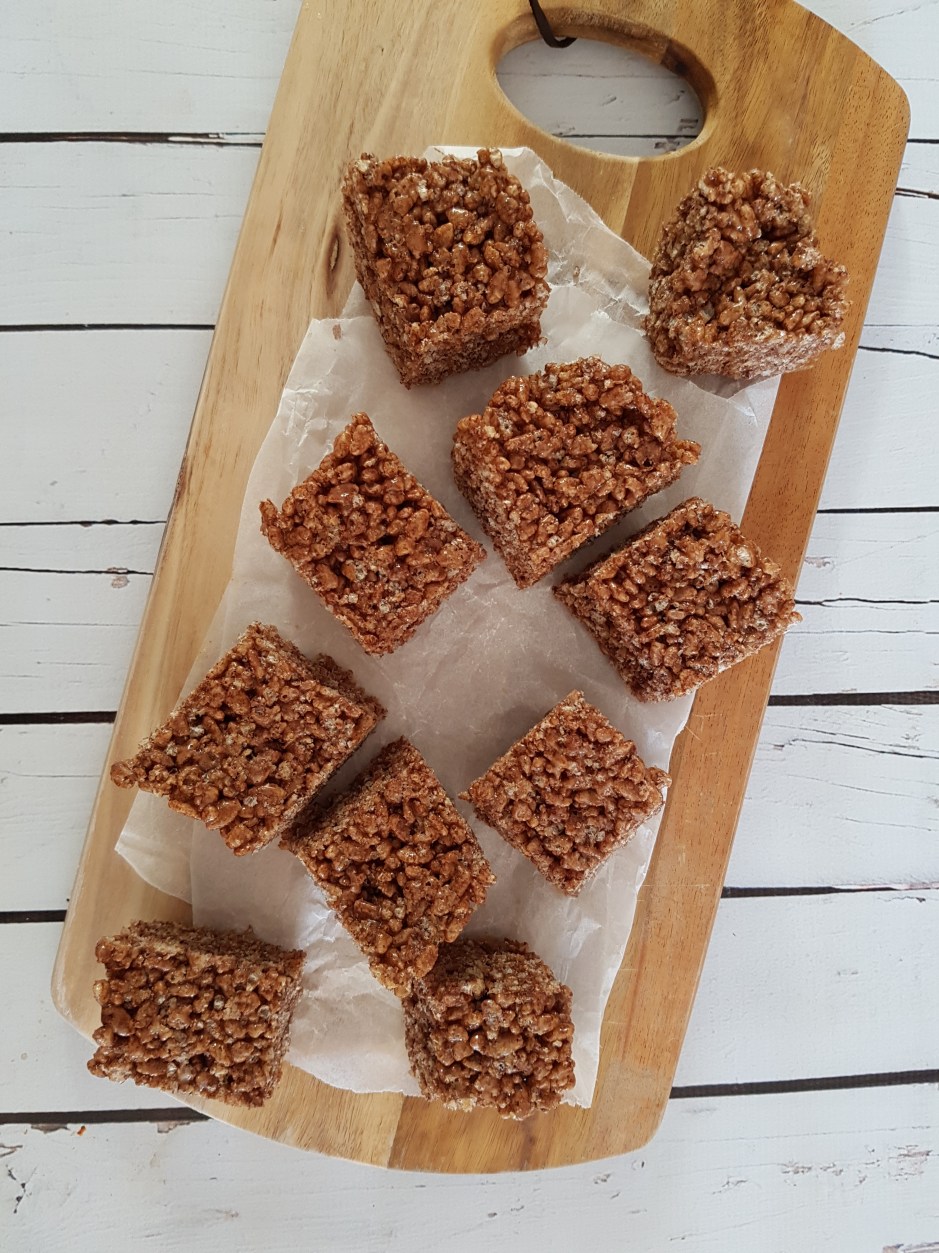
Healthy Coco Pops Squares

Of all my unhealthy childhood favourites, sugary breakfast cereals definitely top the list. And of all breakfast cereals coco pops was always the winner. I mean, c’mon, a CHOCOLATE milkshake only CRUNCHY? The flavour of chocolate and the texture of crunch? Can it get any better than this? And don’t even get me started on the cute monkey and his catchy theme song. And coco pops squares…yum! Who needs muesli bars? Coco pops are the best! If you think so too (or have a kid who does), I can definitely help to create a healthier version of a childhood favourite: healthy coco pops squares! Who is in?

Rice bubbles with raw cacao and low GI brown rice syrup instead of all this high-fructose corn syrup provide for a delicacy that will satisfy your sweet tooth without sending your blood sugar soaring. These healthy coco pops squares are light and airy, crunchy with just the right amount of sweetness, and beautifully chocolatey. They are also very low in fat – perfect if you love chocolate but are concerned about the fat grams. This is an indulgence  that won’t weigh you down. And due to the rich taste and satisfying chewy texture of these healthy coco pops squares, a little goes a long way and you won’t need much to get you through the feared 3pm slump.

These healthy coco pops squares are some easy to make and affordable goodies, perfect for gatherings and kids parties, but also to indulge your sweet tooth after a meal without overindulging. Please note that while this is definitely a better-for-you version than traditional coco pops squares, it is still a treat that should be treated like a treat and enjoyed in moderation.
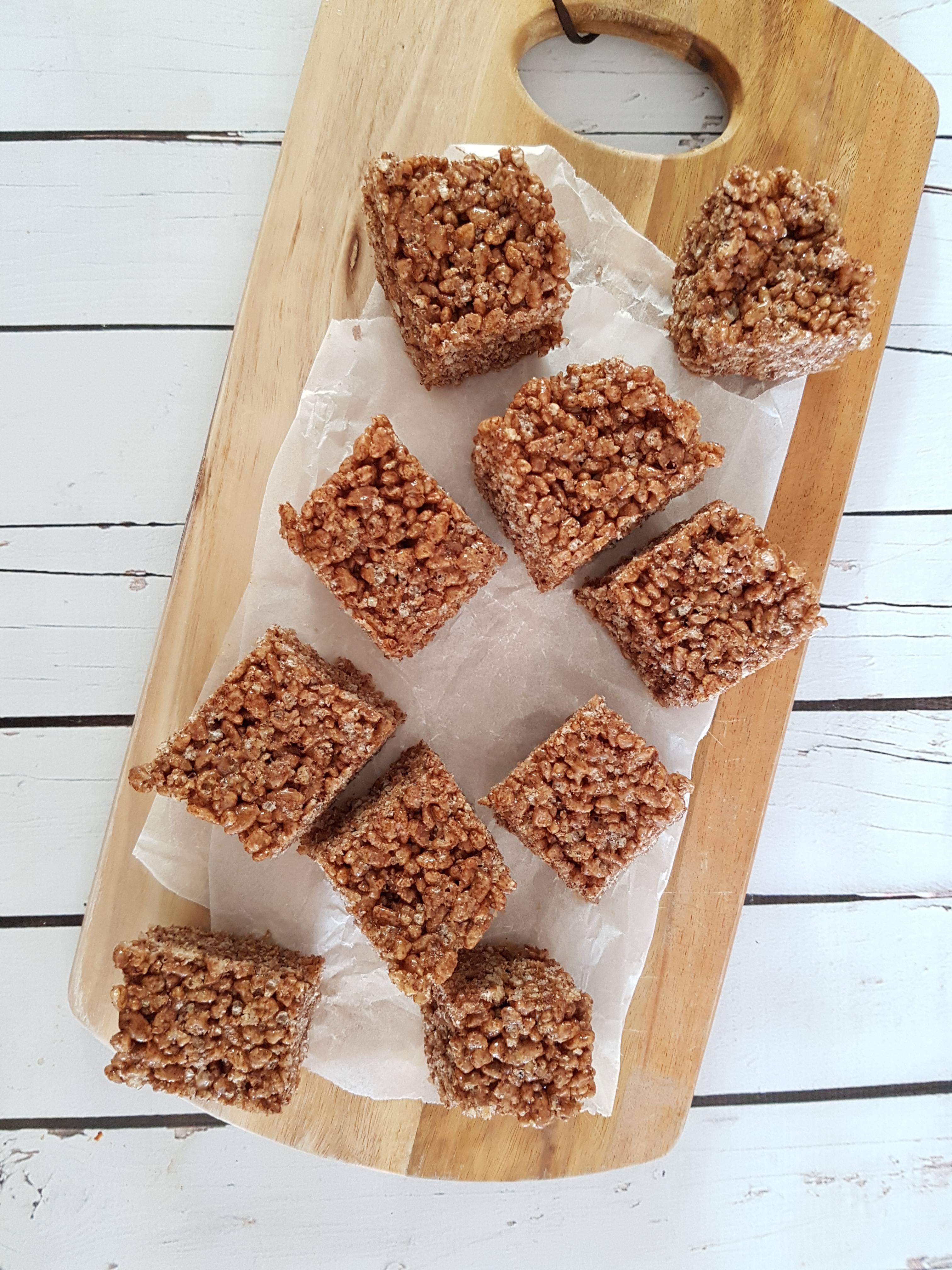
Healthy Coco Pops Squares

Makes 10 squares

3 cups (gluten-free) rice bubbles (I use Freedom foods)
half a cup brown rice syrup
1 tbsp coconut oil
dash of vanilla extract
3 tbsp raw cacao
pinch of sea salt

Line a 10x20cm baking pan with baking paper. Pour the rice bubbles into a large mixing bowl. Gently melt the brown rice syrup with the coconut oil, vanilla extract, cacao and salt until fully combined. Pour into the bowl with the rice bubbles and gently stir through until fully incorporated and all bubbles are coated with the mixture. Press into the prepared pan and press down very, very firmly until very firmly pressed down (and I mean firmly!). Freeze for one hour, then lift out of the pan and cut into ten squares with a very sharp knife. Store in the fridge for up to a week.

Enjoy!
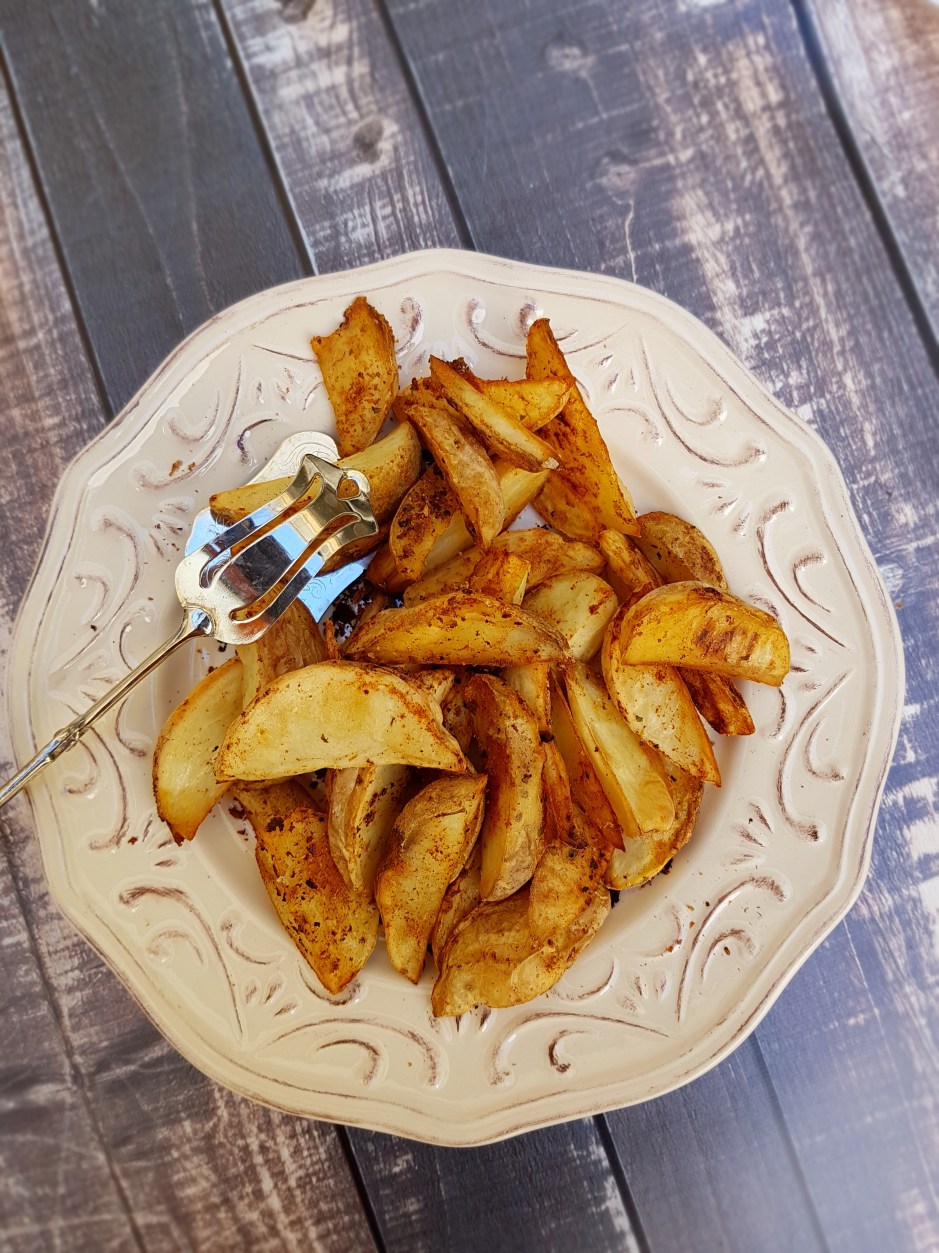
Crispy Oil-Free Potato Wedges

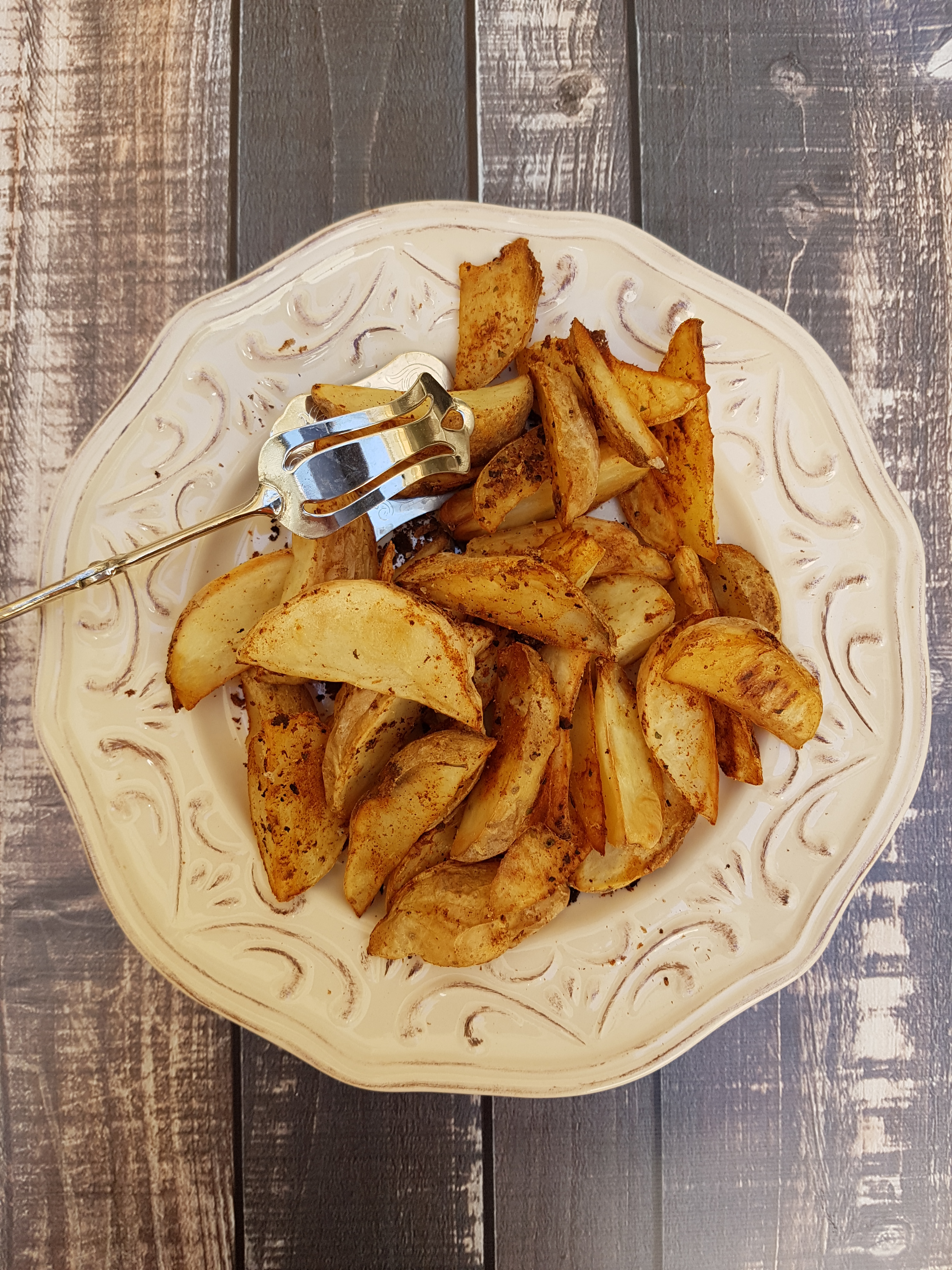
I loooove potatoes. Seriously. They are so much more than a side dish. Not only do they taste delicious, they are so filling and satisfying that they make for a complete meal. I love them in any state – boiled, baked, roasted, mashed, fried…but they are at their best in the form of chips or wedges. Now, if this sounds greasy and unhealthy to you, dripping with trans fats and all sorts of nasties, hear me out. It is possible to achieve the perfect crispy oil-free potato wedges. No oil and no deep-frying required!

These are not the result of an air-fryer (if you are remotely familiar with instagram you would have come across the latest craze that is air-fryers). No fancy or expensive equipment required, just a good ol’ oven, a baking tray and 40 minutes of your time. That’s all!

While rice, noodles, pasta and (gluten-free) bread all have their merits, nothing will keep you full for as long as a good plate of spuds. Being much lower in carbohydrates and calories than other “side dishes” and with their favourable nutritional profile, potatoes are closer to vegetables than starchy sides. They are fat and cholesterol free and bursting with iron and vitamin C. Vitamin C actually improves the absorption of iron which is why potatoes are extremely valuable for vegans and vegetarians. They contain more potassium than a banana, are a good source of vitamin B6, fiber, magnesium and antioxidants as well as the so-called “resistant starch”. Resistant starch works like soluble fiber which contributes to improved insulin sensitivity, lower blood sugar levels, reduced appetite and improved digestion.

Enough said about the benefits of spuds, I bet you just want to know how to achieve the perfect crispy oil-free potato wedges! Crispy wedges without any oil? What’s the secret ingredient? Yes, there is actually a secret ingredient. And that is…water! I knew that in gluten-free bread baking, putting a tray of water into the oven helps the bread to form a proper crispy crust. I thought that this must also be possible with potatoes! While I have achieved good results dry-roasting potatoes before, adding some water to the tray definitely put these babies onto a new level. Unlike with bread where a separate water tray is put into the oven, the water is added directly to the tray with the potatoes on it.

Crispy Oil-Free Potato Wedges
Crispy oil-free potato wedges

Serves 4

1kg potatoes, washed and cut into wedges
1-2 tbsp coarse sea salt
1 tsp paprika
halt a cup plain water

Preheat the oven to 230 °C. Spread the prepared wedges onto a non-stick (or lined) baking tray. Mix the salt and paprika in a small bowl. Sprinkle the spice mix over the potatoes and rub into the wedges. Add the water to the tray. Bake for approx. 40 minutes, turning halfway.

Enjoy!

Tofu Stir Fry with Black Bean Noodles {vg, gf}

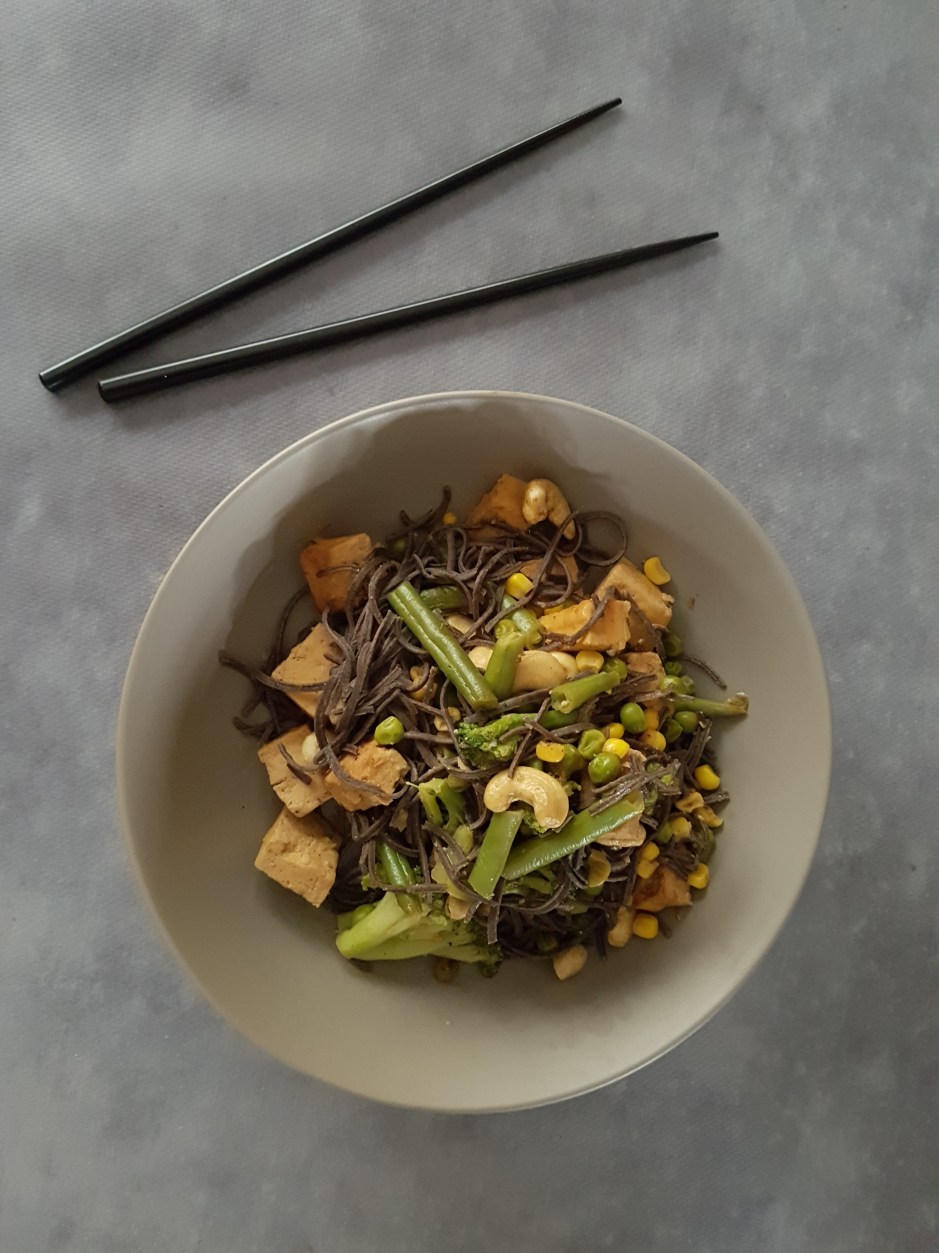
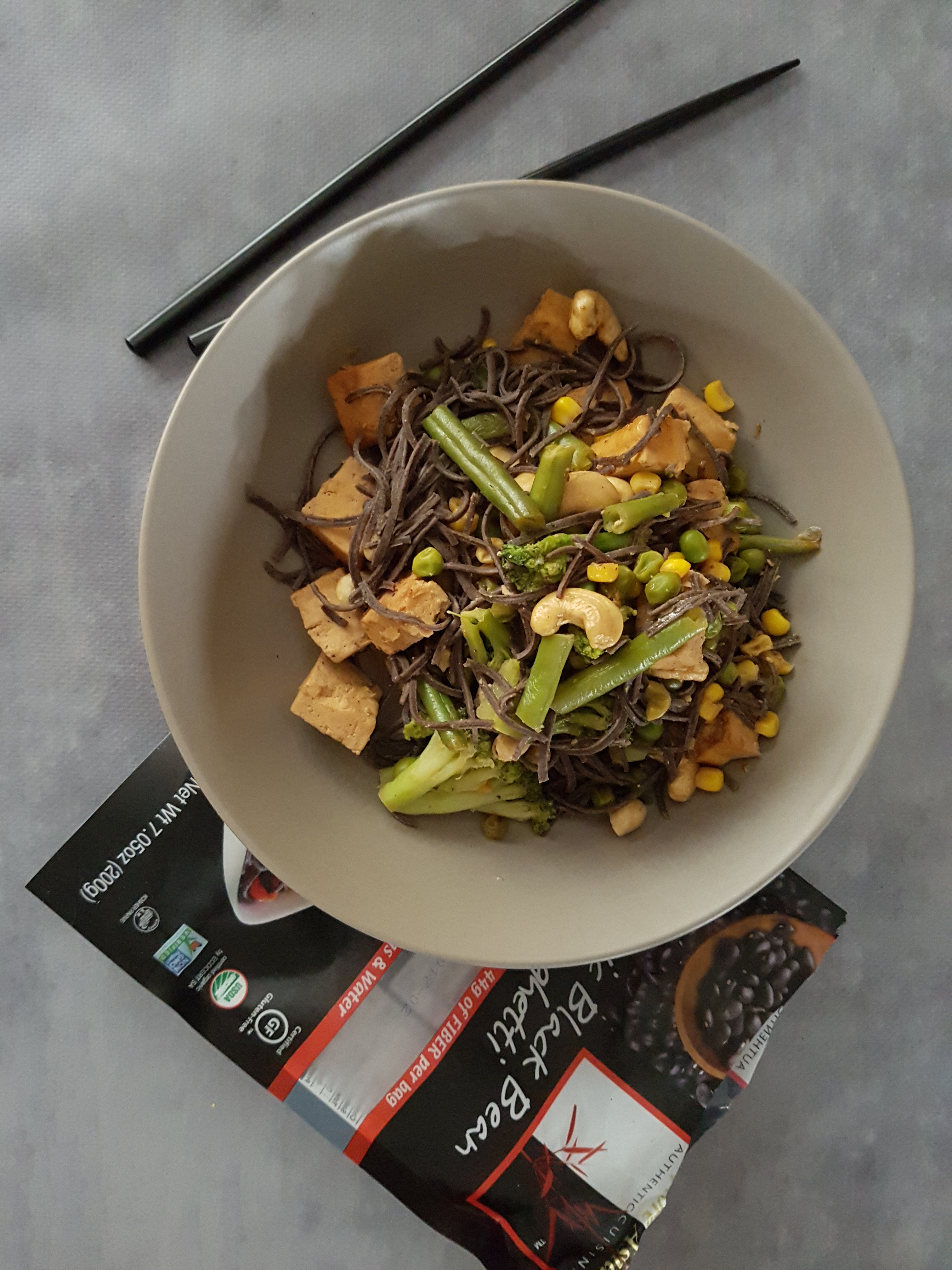
Stirfry for me is the ultimate comfort food. It is vibrant, full of flavour, satisfying and warming, and I love how versatile it is. Stirfrying means cooking more quickly. Vegetables therefore retain more nutrients. And because stirfrying is so quick, it means less time standing in front of the stove and more time eating! Stirfrying for the win! Here goes my vegan tofu stir fry with black bean noodles. It is ultra quick (about 15-20 minutes) so there are absolutely no excuses for not dishing up a delicious and healthy meal on a week night! (Or any night, for that matter.)

Now, this does not need to be a tofu stir fry and you don’t need to use black bean noodles. I just used them as I think they work well together. I have come to really appreciate bean noodles. They are quite a bit lower in calories and higher in fibre than regular or processed gluten-free noodles/pasta, and they cook in a fraction of the time. If you can’t get your hands on black bean noodles, not to worry! Just use your favourite noodles or zoodles instead. This dish will still be delicious. If you don’t like tofu you could use tempeh (also have a look at my tempeh curry recipe here) or if you avoid soy simply use more veggies or try something new by making chickpea “tofu”. The options are endless.

That’s what I like about these kind of meals. No-one nowadays has the time or desire to go shopping every day so it’s imperative to have a handfull of standby recipes in which you can use whatever you have on hand.

Tofu Stir Fry with Black Bean Noodles

Serves 2

1 pack (300g) tofu, cubed
4 tbsp tamari
2 tbsp maple syrup
4 cloves garlic, minced
1 tbsp apple cider vinegar
1 tbsp ground ginger
half a tbsp sesame oil

dash of fresh lime juice
salt, pepper and chilli to taste

black bean noodles or other noodles (amount to taste)
dash of water or vegetable stock
about a pound (approx. 450-500 grams) mixed vegetables such as green beans, broccoli, sweetcorn, green peas, capsicum, carrots…
cashew nuts, fresh coriander, fresh chilli to serve (optional)

Mix the tamari, maple syrup, garlic, oil, vinegar, ginger, lime juice and spices in a medium bowl, then add the tofu and let sit for 5-10 minutes to soak up the marinade. Prepare the noodles according to the manufacturer’s instructions. Heat water or stock in a large frying pan or, better, a wok, and blanch the vegetables for a couple of minutes. Take out the veggies, then add the tofu with all of the marinade, cover and let cook for 5-10 minutes. Add the veggies, mix in thoroughly and cook for another two minutes. Turn off the heat, toss in the noodles and mix everything through. Adjust the spices and let sit for a minute. Serve with cashews, coriander and chilli according to your liking and…

Enjoy!


Healthy Pumpkin and Chickpea Curry {vg, gf}

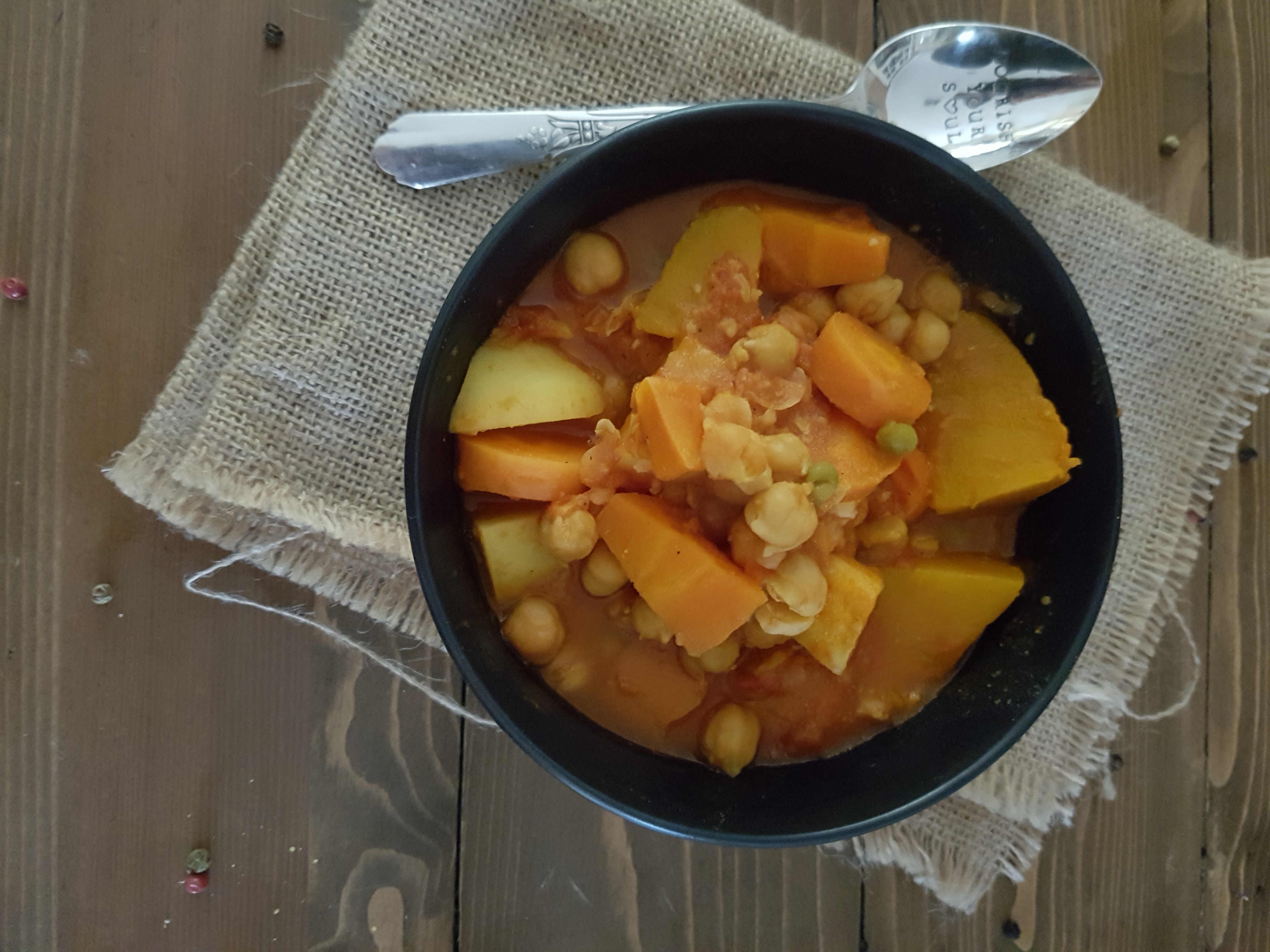
There is just nothing quite like curry. It is comforting, nourishing, versatile, flavoursome, filling, easy and inexpensive. It is a great way to use up leftovers and is the perfect candidate for making in batch and then freezing. The only downside is that traditional Indian, Thai and Malaysian curry recipes with their oodles of oil and coconut cream are far from being a “diet food”. While this is not a problem if you indulge once in a while or are not concerned about your physique, there are certainly options to “healthify” a good curry without compromising on taste, and my healthy pumpkin and chickpea curry is one such example.

Curries are especially suitable for creating lower fat and lower calorie versions of. Due to their ample amounts of fragrant herbs and spices, you don’t need to add much oil at all to carry the flavours. Chili, curry powder, pepper and co. satisfy your taste buds without the need for a tin of coconut cream per portion, and also provide a healthy kick for your metabolism. Healthy curries are a reality!

This healthy pumpkin and chickpea curry is not only yummy, it is also easy as. A handfull of ingredients you likely have sitting in your pantry right now and a maximum of 20-25 minutes of your time, of which the actual hands-on time is very little. Sounds good? Go see for yourself!

Healthy Pumpkin and Chickpea Curry

Serves 4

3 garlic cloves, minced
4 large carrots, washed, peeled and chopped
1 large potato, peeled and chopped (may be parboiled to speed up cooking time)
250 g pumpkin, peeled and chopped (may be parboiled to speed up cooking time)
125 g cauliflower, washed and torn into florets
125 g green peas, fresh or frozen
1 400 ml tin of diced tomatoes
350 ml vegetable stock
2 tins of chickpeas, rinsed and drained (reserve the brine for chocolate mousse!)
1 cup almond milk or very light coconut milk
half a tbsp mild curry powder
salt and pepper to taste
dash of tomato sauce

Heat the garlic in a large saucepan until aromatic. Add the carrots, potato, pumpkin, cauliflower and peas and cook for a few minutes while stirring. Add the tomatoes, stock and spices and cook until vegetables are tender. Then stir in the chickpeas, milk and tomato sauce and heat until thoroughly warm.

Enjoy!

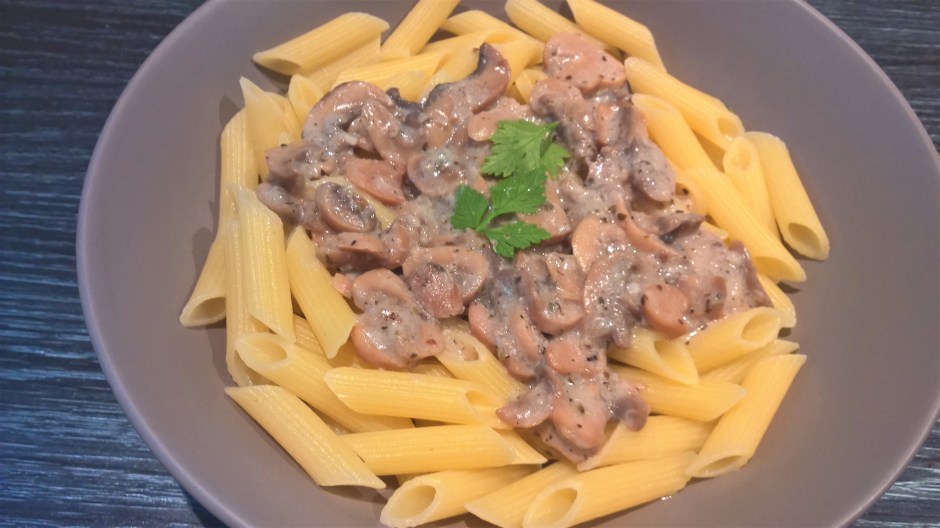
10-minute Lowfat Vegan Mushroom Alfredo gf, df, soyfree, nutfree)

As promised on my Instagram account, here comes the easiest, healthiest and best 10-minute lowfat vegan mushroom alfredo you’ll ever make.

I don’t say this lightly. This is serious stuff. I am aware that there is no lack of vegan Alfredo recipes, a lot of which involve tofu (which can be an issue for some) or cashew nuts and/or coconut cream, therefore being very heavy. In short, alfredos, whether vegan or not, are not exactly lowfat. I have made alfredo sauces using cauliflower which is a better option to achieve that creamy consistency that we crave but the flavour of the cauliflower (and the smell of your kitchen when cooking it) can be a bit overwhelming when all you are after is mushrooms, creams and garlic. What I wanted was an Alfredo sauce which fulfilled the following criteria:

-relatively low in fat
-takes 10 minutes to make from start to finish
-requires about 5 ingredients
-is economical
-tastes divine

I’m so excited because my mushroom Alfredo does all that! With only coconut oil, garlic, plant milk, mushrooms (duh!), cornstarch and plenty of herbs and spices, there are no obscure or hard-to-get ingredients, no nasties and you don’t need to set aside your precious weekend for meal prepping – all you need is the commercial TV break on a weeknight. Sounds good? Sure does!

You can use any plant milk you like or have on hand. If you are not worried about the soy/nut issue, then soy or nut milk is perfectly fine to use. I like oat milk as it makes the sauce really unctuous, however, it is quite a bit higher in carbs than other non.dairy mylks and also sweeter, so you might want to keep that in mind. I have tried this recipe with both almond and oat milk and love them both! So it’s completely up to you. What’s not up to you is the spice part. There is garlic, sea salt, fresh black pepper and fresh parsley, which is not a lot of spices. They are therefore not negotiable. If you don’t like or can’t have garlic, pepper and/or parsley (seriously???), then you can try to omit them, but it really won’t be the same.

Lowfat Vegan Mushroom Alfredo

Serves 2

1/2 to 1 tbsp refined coconut oil
3 garlic cloves, minced
250 g button/cup mushrooms
250-350 ml unsweetened plant milk (depending how much water is sweat out by your mushrooms)
1 tbsp cornstarch, mixed with equal amounts water to form a paste
sea salt and fresh black pepper
parsley
any other herbs of choice

Melt the coconut oil in a large saucepan and fry the garlic until aromatic. Add the mushrooms and fry until they start to wither. Add the plant milk, starting with a cup (ca. 250 ml). Whisk in the dissolved cornstarch and keep whisking until no lumps are left and the sauce starts to thicken. Add salt, pepper and spices and some more plant milk until the sauce has your desired consistency. Serve with pasta of choice.

Enjoy!


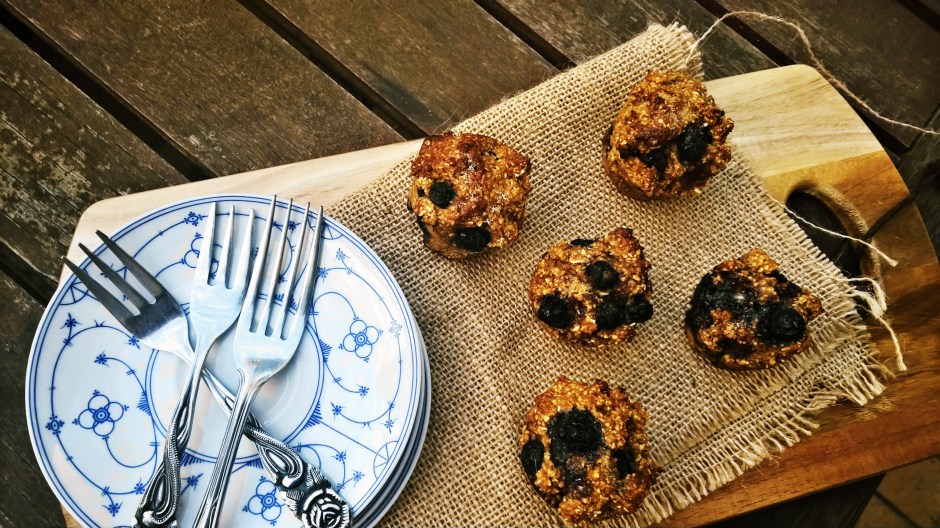
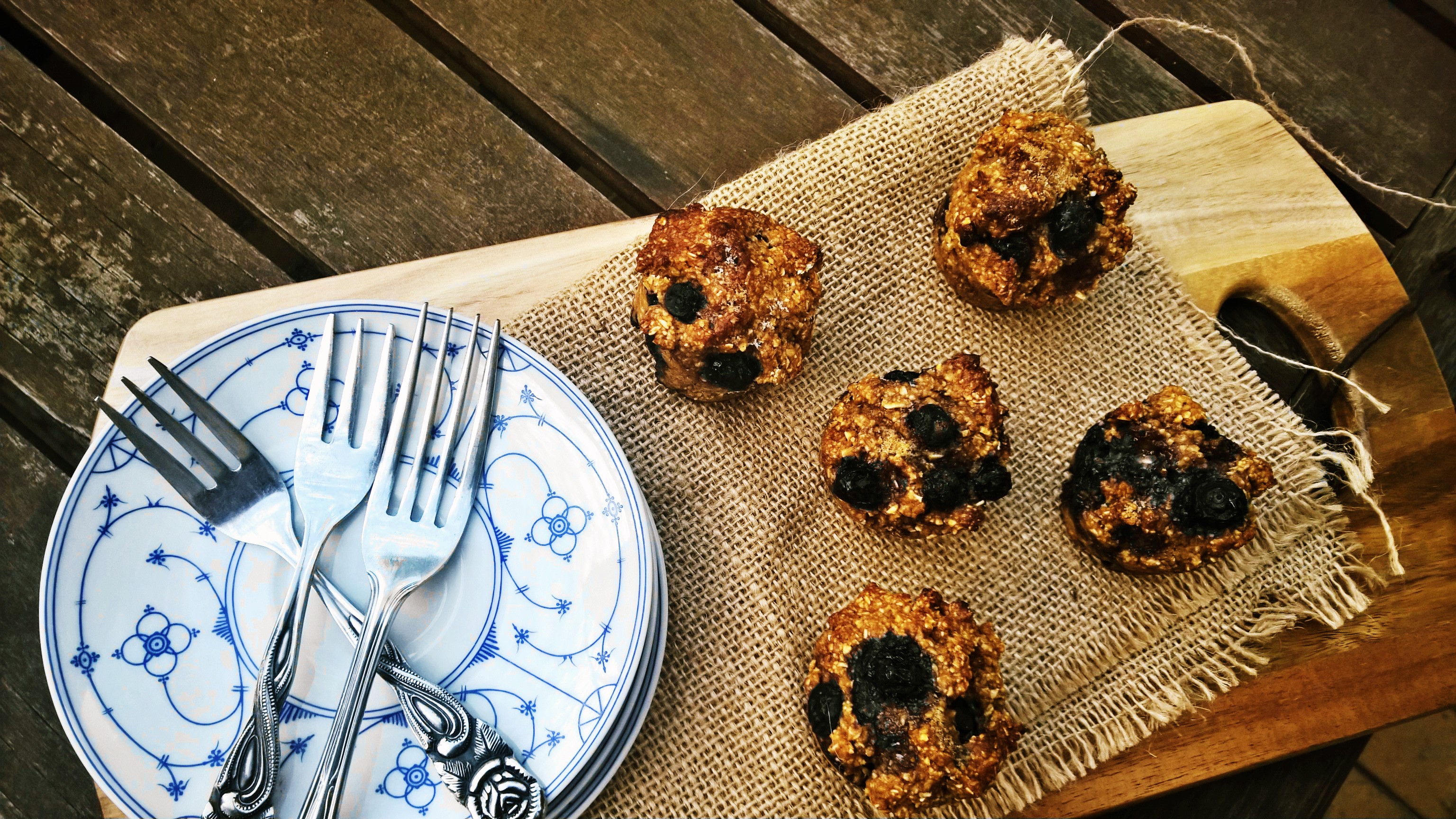
Oil-free Blueberry Muffins {vg, gf}

Back in the days when I ate wheat and dairy and generally all things processed and sugary I had a staple recipe for blueberry muffins, which – on the rare occasions that I baked – I always fell back to. I loved it as it was lower in fat than other muffin recipes, replacing most of the fat with buttermilk. It was also dirt-easy to make, requiring just one bowl – perfect for a fast food-addicted 20-something university student without a dishwasher! The muffins were always a success and the recipe was customisable meaning you could use any fruit you wanted in place of the blueberries.

A solid muffin recipe is the first and most basic thing in a baker’s repertoire so once I got into this whole gluten free baking thing, I knew I had to tweak my old go-to. My new gluten-free version of this was just as popular but still relied on refined gluten-free flour and dairy. So after the first step – creating a gluten-free muffin recipe – I needed to come up with a way to make it wholesome and not rely on conventional gluten free flour mixes that with their less than ideal nutritional profile literally make you hungry while you eat! However, not only did I want to create a gluten free and oil free muffin, but also a vegan muffin. Yogurt and buttermilk are great in gluten-free muffins as they really provide that texture that we love and miss about conventional baked goods. The acid in the milk combines with the baking soda to yield moist and tender products. Using yoghurt or buttermilk also means you can nix most of the oil, butter and eggs! So how to replace dairy?

After a bit of research I decided to recreate the sourness from the yogurt/buttermilk with some apple cider vinegar in almond milk. Instead of conventional gluten free flour I used a mix of freshly ground oat flour, almond meal and flax meal (with the flax also replacing the need for eggs). Apple sauce and blueberries keep these muffins nice and moist, so there is no need for eggs or oil. I will probably still tweak the flour part a bit, as the flax gives a somewhat coarse texture but for the time being this is a great recipe if you want a tasty and filling muffin that is gluten free, vegan, refined sugar free, oil free, low in fat and refined grain free and is easy and quick to make with some simple ingredients you likely have in your pantry!

Oil-free Blueberry Muffins {vg, gf}
Oil-free Blueberry Muffins (vg, gf)

Yields 16 mini muffins

½ cup almond milk
1 tb apple cider vinegar
2 cups oat flour

1/3 cup almond meal
1/3 cup flax meal
½ cup coconut sugar
½ cup apple sauce
Pinch of salt

pinch of cinnamon
2 tsp of baking powder
dash of vanilla
1 cup of fresh or frozen blueberries

Preheat oven to 180 °C and lightly grease a muffin pan or use paper muffin cups. Mix the almond milk with the apple cider vinegar in a medium bowl and set aside for the two ingredients to react. Then add oat flour, almond meal, flax meal, coconut sugar, apple sauce, salt, cinnamon, vanilla and baking powder and whisk just until combined. Fold in the blueberries and pour the batter into the prepared muffin tray. Bake for 15-20 minutes until a toothpick comes out clean.

Enjoy!

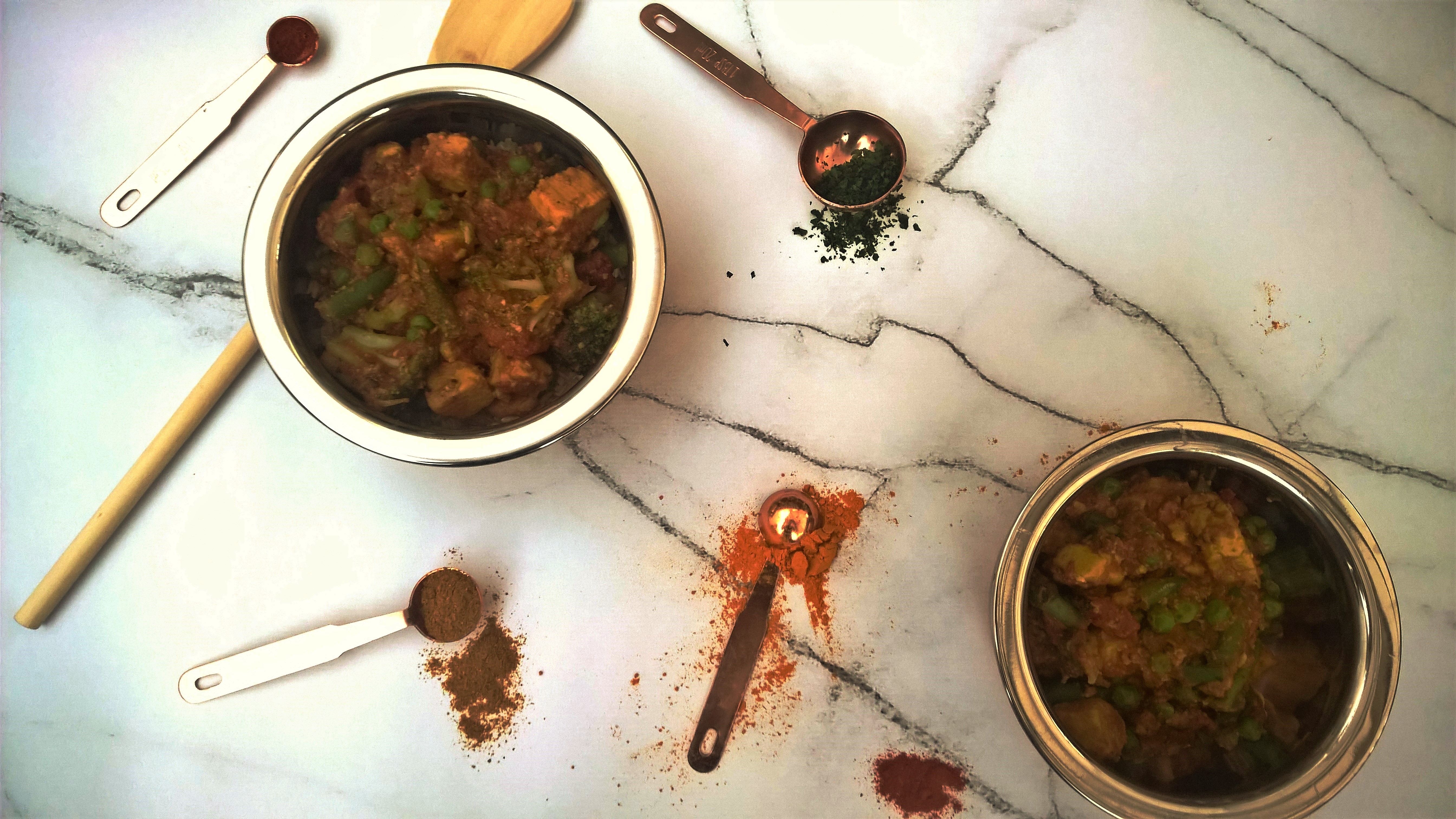
Healthy Madras Curry with Chickpea Tofu

Please, can you please all make this curry? Seriously, it’s soooo good! Like, I-want-to-eat-all-servings-by-myself type good. And guess what? Because this curry is really light and healthy, you can! If you are organised and disciplined (I am neither), you double or triple this recipe and freeze leftovers as it freezes really well and makes for a great stand-by on busy weeknights (I already see you dialling that takeaway number, but you will never again after you have tried this recipe). If you are looking for an alternative to Indian takeaway, enter my healthy Madras curry with chickpea tofu!

What I love about our local Indian takeaway is how you can customise the protein and the degree of spiciness in the dishes. What I am less keen on is the amount of cheap oils, butter and cream in Indian takeaway curries and the feeling that you have swallowed a whale (or turned into one). So I’ve been looking to come up with a good alternative that is healthy, easy, quick, inexpensive and, most of all, tasty. It seems like I nailed all these briefs at the first time! This stuff is hearty, satisfying, exotic, just the right amount of spicy, filling without sitting like a rock in your stomach, nourishing and comforting!

Using light coconut/almond milk, this dish is a lot less heavy than traditional Indian dishes and very low in fat, with the fat mainly coming from healthy coconut oil. If you like things extra creamy, you could use full-fat coconut milk or cashew cream although I really prefer the lightness of my recipe. I love my carbs so I tend to serve brown rice on the side with also lends this meal a nice crunch, but if you limit your carbs, you could try cauliflower rice. As a protein, I used Burmese chickpea tofu to create a soy-free vegan meal. I don’t mind soy anymore but I try to not go overboard with it. You can of course use “normal” tofu, tempeh, paneer or whatever protein suits your taste buds and dietary requirements.

If you aren’t familiar with chickpea tofu though, I’d definitely recommend trying it. I made mine using the recipe by the incredibly talented vegan Richa. I looked at several recipes for no-soy tofu, and hers was by far the most straightforward one. It literally comes together in ten minutes and is set in the fridge in under an hour. I was so pleased to have found a cheap, easy, healthy and lowfat alternative to regular tofu! The texture is almost the same as tofu and it has a subtle, not overwhelming earthy chickpea flavour which I love. I actually make a big batch and munch on it as a snack. With its gooey, slightly rubbery consistency, it feels like having naughty cheese, only that due to the chickpea flour, chickpea tofu is low in fat while boasting fiber, iron, potassium, manganese, copper, zinc, phosphorus, magnesium, folate, vitamin B-6 and thiamine!

Sounds too good to be true? Then get cooking!

Healthy Madras Curry with Chickpea Tofu

Makes 3 servings

1 tbsp coconut oil
1 onion, peeled and finely chopped (optional, leave out for low FODMAP)
3 garlic cloves, peeled and minced
1 tbsp ginger powder
2 tsp cumin
2 tsp dried coriander
1 tsp curry powder or garam masala
a pinch of turmeric
chili powder or fresh chilis, to taste
1 recipe chickpea tofu, chopped
1 tin (400g) tinned tomatoes

sea salt and pepper to taste
dash of lemon juice
dash of light coconut milk or almond milk

500 g steamed vegetables such as broccoli, cauliflower, green beans, peas
brown rice or cauliflower rice, to serve

Heat the coconut oil in a deep saucepan and add garlic, onion if using, ginger, cumin, coriander, curry powder, turmeric and chili powder. Fry the spices until they are aromatic. Add the chopped chickpea tofu and fry until lightly browned, then add the tomatoes. Season with salt and pepper. Leave to simmer for 15 minutes, adding a little bit of water as necessary. Stir in lemon juice, coconut milk and vegetables and serve immediately with rice.


Enjoy!

Oil-free Beetroot Hummus

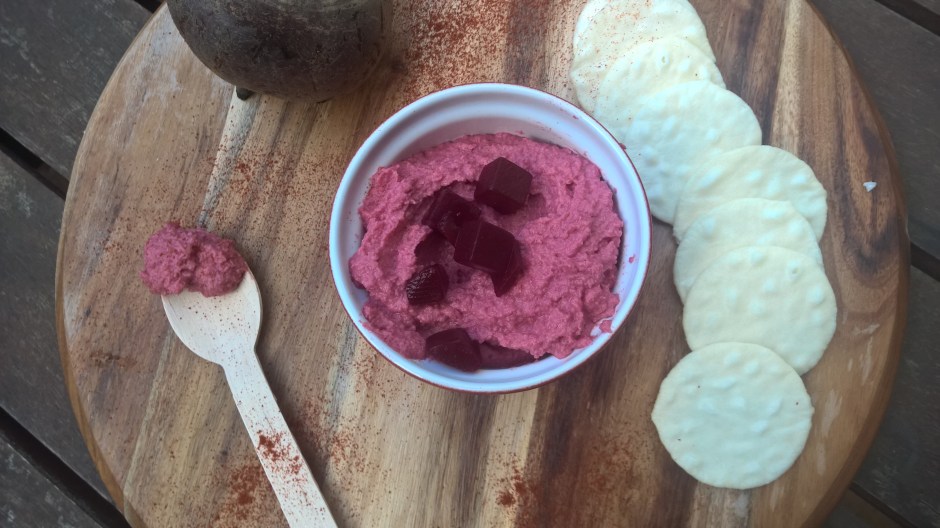
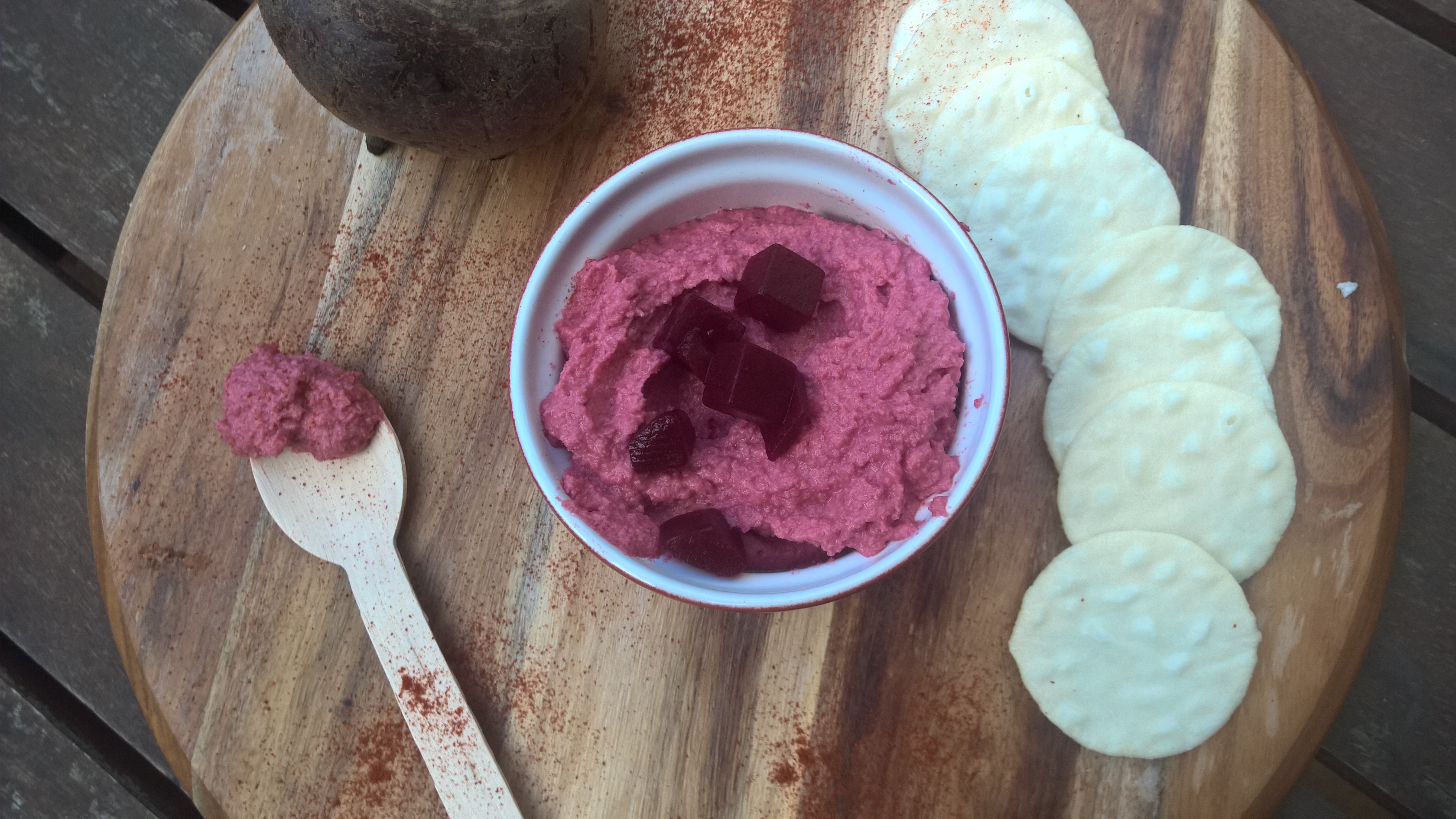
No, this is not a raspberry mousse, much as I’d like one! It’s beetroot hummus – and an oil-free, vegan, gluten free and soy free one no less! The colour, you ask? Tinned beetroot for the win! If you can boost the nutrition of your snack with a multitude of vitamins, minerals and antioxidants all while turning it the most stunning colour ever, why wouldn’t you? And with eight simple ingredients you possible have sitting in your pantry right now (or can easily enough pick up from the store), there is just no reason not to make this hummus and impress your guests and your family (and yourself) with this beauty. This is pretty much an instant affair, so a good candidate if you have friends dropping in unexpectedly.

I am not exaggerating if I say that it tastes absolutely a-maaazing. I love any version of hummus, but the sweetness of the beetroot just works perfectly to offset the earthiness of the chickpeas and the pungent garlic. My toddler is in love with this hummus which is the biggest compliment ever as at the moment she seems to be the pickiest eater ever! So I’m happy that I’ve got something for her that’s pink and still good for her. 🙂

One word of warning – this hummus may be “oil-free”, but due to the lovely tahini it is not “fat-free”, so moderation – if you can! – is key.

Oil-free Beetroot Hummus
Healthy oil-free beetroot hummus

1 tin chickpeas, drained and rinsed
1/3 tin tinned beetroot, drained (not rinsed)
2 tbsp tahini (sesame paste)
1-2 tbsp plant milk (depending on how you like the consistency)
1-2 cloves garlic, minced (depending on your taste)
dash of lemon juice
1 tsp smooth mustard
1 healthy pinch of Maldon Sea Salt

Simply blitz all the ingredients in a high-powered blender until completely smooth, then transfer to a bowl and chill until using. Lasts about one week in the fridge.

Enjoy!

Healthy Asian Broth with Zoodles (low fat, low carb, gluten free, vegan)

I’ve always liked Asian cuisines for their explosion of flavours, but since transitioning to a largely plant-based diet, I really appreciate curries, stir-fries, and Asian-style soups! The variety of fresh herbs, spices and vegetables in combination with rice or noodles and potentially some tofu or tempeh (if you tolerate soy) or quorn (if not strictly vegan) ensures maximum satisfaction sans meat and is a great option for when herbivores and omnivores get together as it will please to all tastebuds. Enter my healthy Asian broth.

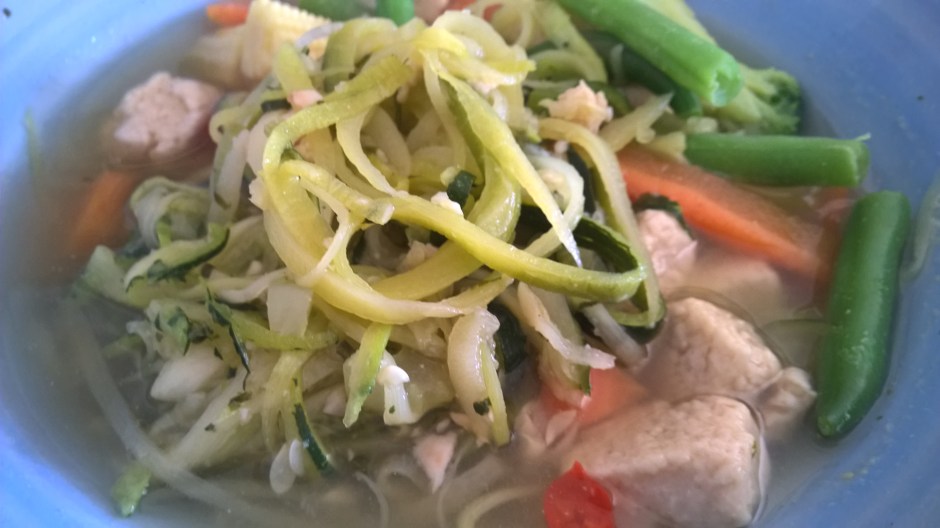
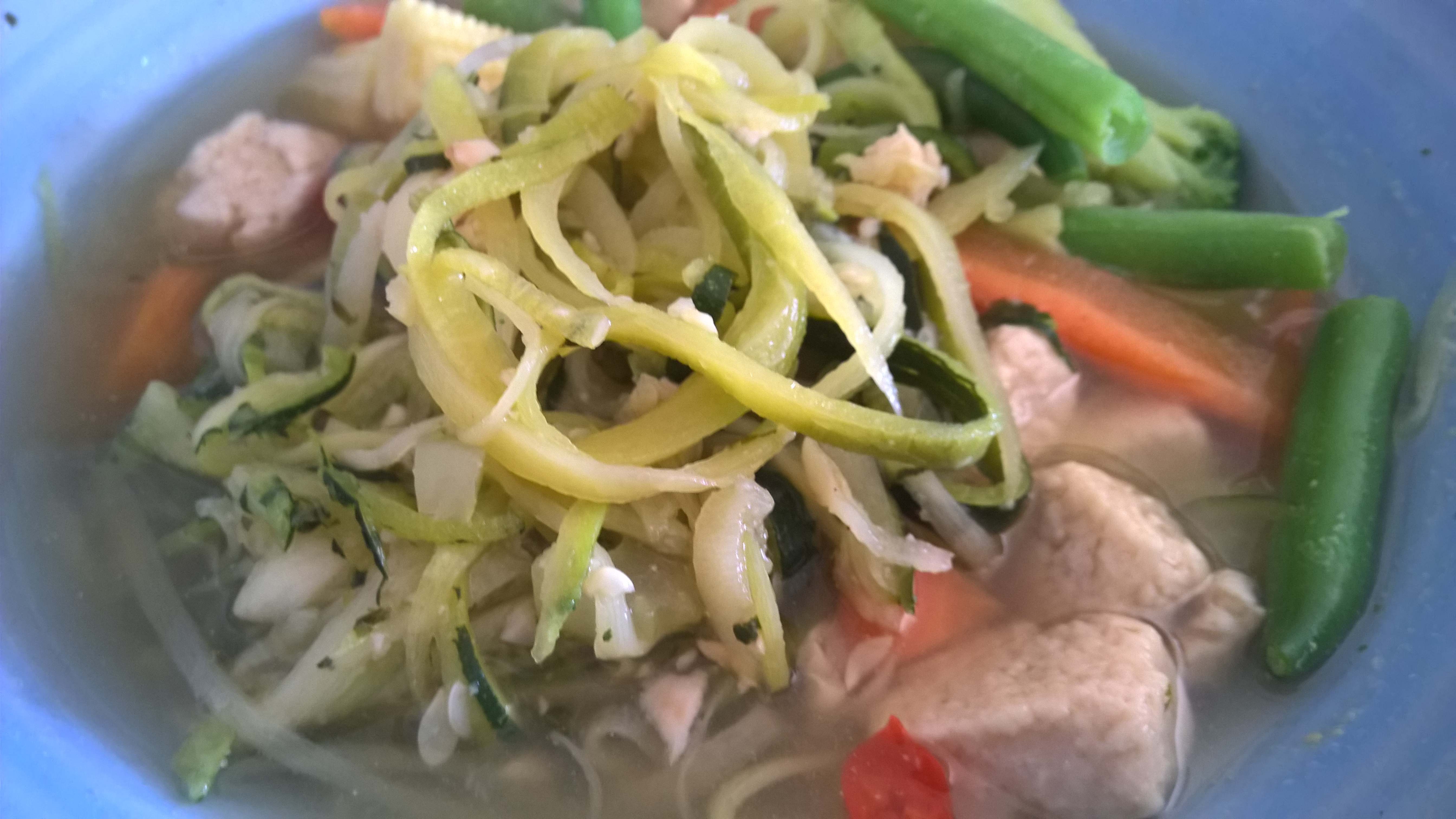
This is my express version of a Vietnamese pho as it were. Of course, this is not a traditional pho, but it’s the quickest and easiest and -dare I say, healthiest- pho you’ll ever make. You can also just call it a broth. Depending on size and add-ons, this could be a quick lunch, afternoon pick-me-up, small starter or a bigger, comforting meal. For this particular version, I used “zoodles” (spiralized zucchini) to ramp up the veggie content and save my carbs for something else. But if you crave carbs, you could easily use rice or soba noodles. When it comes to the protein, I used quorn, but depending on your preferences and dietary requirements, you can of course use tofu, tempeh, chicken, beef, seafood or simply add more of your favourite vegetables. When it comes to cooking, recipes are generally just a matrix – you can mix and match!

Healthy Asian Broth
Healthy Asian Broth

Serves 2-4

oil for frying (can use water, tamari or stock instead if oil-free)
2 garlic cloves, minced
1 inch piece ginger, grated (can be omitted)
1 l organic vegetable stock
400 g vegetables of choice
2 celery stalks, chopped
200-400 g protein of choice, cooked, prepared and cubed (quorn, tofu, tempeh, meat, fish….)
dash of lemon juice
zoodles/rice noodles/soba to taste, prepared
fresh chili, to serve
fresh coriander, to serve

Heat the oil, if using, in a nonstick frying pan, and add the garlic and ginger if using. Turn the heat down and fry spices until soft and aromatic. Add stock, bring to a simmer, then add vegetables and zoodles/noodles. Simmer for a few minutes, then add your prepared protein. Finish with lemon juice and serve with chilli and coriander.

Enjoy!

Vegan Lentil Bolognese

The idea of making a vegan “Bolognese” with legumes has been at the back of my mind for some time, and while the concept is not exactly new, I think I have come up with quite a cracker vegan lentil bolognese recipe which will convince even the most ardent meat lover! At the point of making this, I had run out of diced tomatoes in my pantry (yes, it happens). I had neither the time nor the inclination to run out to the shops and get some so I used the last bit of Maggie Beer tomato sauce we had in the fridge.

The result was divine, which is the best proof that you don’t need a tin of tomatoes or a jar of marinara sauce if you make bolognese (you’ll be hard-pressed to find a recipe for bolognese on the net, vegetarian or not, which doesn’t include a tin of tomatoes or a jar of marinara sauce).

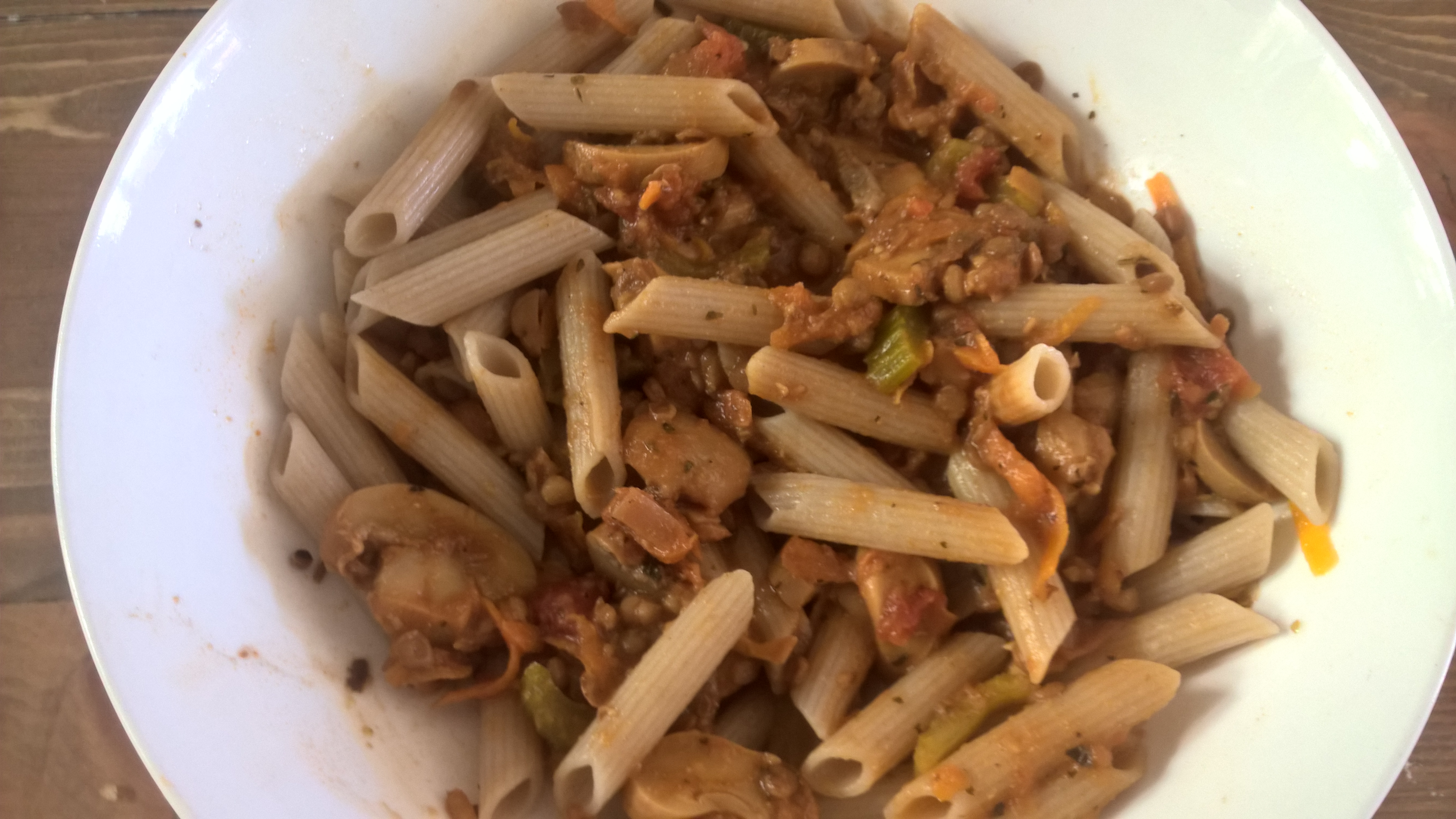
Back to the vegan bolognese – you won’t miss anything in here. My husband, an avid meat eater, loved it and simply couldn’t believe there was no meat in it. This is comfort food at its best, and at the same time full of goodies while being very low in fat. Your vegan/vegetarian and omnivore friends will be raving alike. Serve it with gluten free pasta like I did (photo) or “voodles” (spiralised vegetables) and it’s gluten free as well. So what inspired me to make a lentil bolognese?

While mushrooms or quorn mince would be an obvious choice, there had to be a more cost-effective solution. I love the effect legumes have on my blood sugar and satiety levels – I don’t so much love their effect on my gut. However, I found the “smaller” the legume the more easily digested, hence lentils are usually my legume of choice. (They taste friggin’ delicious too.) I love kidney beans and chickpeas, but if I have too much of them, they just about kill me (or rather, my bowels). Of course I know the spiel about soaking and phytic acid and blabla, but I couldn’t find a huge difference between soaking dry lentils and just rinsing organic tinned ones very well, and if in doubt, I always opt for the easier and quicker option but it is of course up to you if and how you prepare your lentils.

With all this being said, you would assume that lentils are the hero of this dish, but they are actually not…it’s celery! What the…? Well, I have to admit I’ve never liked celery all that much, especially in its raw version. In fact, celery is probably the only vegetable I couldn’t eat raw to save myself (something I inherited from my mum). So while I have recently found a new organic box delivery service which I really like, their inclusion of celery in the last box was a bit of a letdown for me at first. But an unknown vegetable for the amateur chef is like a new country to the devoted adventurer, so I knew I had to experiment. My internet search about the uses of celery only yielded raw salad recipes – three strikes, I was out. Had to do it without the help of Uncle Google.

Soups and stocks usually contain traces of celery. I figured if I just cooked it long enough, maybe it would act a bit like vegetable stock without imposing the (imho yucky) raw flavour of celery. Bingo! This bolognese tasted so rich and just had this certain “je ne sais quoi”, and since I don’t cook with onions, I knew it had to be the celery which lended this dish “a depth of flavour”, according to my hubby.

So I’ll be sure to include celery more often in my creations. You never stop learning, do you?

Vegan Lentil Bolognese

2 generous portions

1 garlic clove, minced
2 carrots, grated or finely sliced
2 celery stalks, very finely sliced
1 tin organic brown lentils, drained and rinsed very well (or sub other legumes)
a dash of tomato sauce or tomato paste or diced tomatoes (amount depends on your preferences)
250-350 ml good vegetable stock
basil, oregano, salt, pepper and any other herbs and spices of choice
other vegetables of choice (optional) (mushrooms are a great choice)
nutritional yeast (optional)

Make sure to have all the ingredients readily prepared. You don’t want your garlic to burn while you are still slicing the celery! Heat the oil in a large saucepan, add the garlic and fry for a few minutes until soft. Add carrots, celery and lentils and heat through for another few minutes, than add the tomatoes and stock, bring to the boil and simmer until the desired consistency is reached. Adjust the amount of stock according to your preferences. Stir in the nutritional yeast for a lovely cheesy flavour. Season to taste and serve with gluten free pasta or voodles. (I’ve got no idea how long this stuff lasts and if it tastes better the next day – we finished it in one sitting!)

Enjoy!